
Table of Contents
- 1. Declutter and Depersonalize Every Room
- 2. Boost Curb Appeal With Landscaping and Cosmetic Repairs
- 3. Handle Mandatory Property Disclosures for Sellers
- 4. Learn How to Price Your Home to Sell With a CMA
- 5. Apply Home Staging Tips for Sellers: Physical vs. Virtual
- 6. Make Strategic Repairs and Green Upgrades That Pay Off
- 7. Deep Clean and Maximize Natural Light Before Showings
- Conclusion: Your Selling Timeline Starts Now
- Frequently Asked Questions
Last Updated: September 12, 2026
1. Declutter and Depersonalize Every Room
The fastest way to prepare a house for sale is to strip each room back to its bones so buyers can picture their own life there, not yours. Decluttering and depersonalizing is the single highest-return step in the entire pre-listing process, and it costs nothing but time.
Start with a room-by-room sweep:
- Clear kitchen counters down to one or two intentional items
- Remove family photos, diplomas, religious items, and personal collections
- Take out bulky furniture that makes rooms feel smaller
- Empty closets by roughly a third so they read as spacious
- Store everything off-site, not in the garage, which buyers will open
Here’s what most sellers miss: the goal isn’t a spotless home, it’s a neutral one. A buyer walking through should feel like they’re touring a model, not intruding on someone’s life. The properties that show best are almost always the ones that feel anonymous.
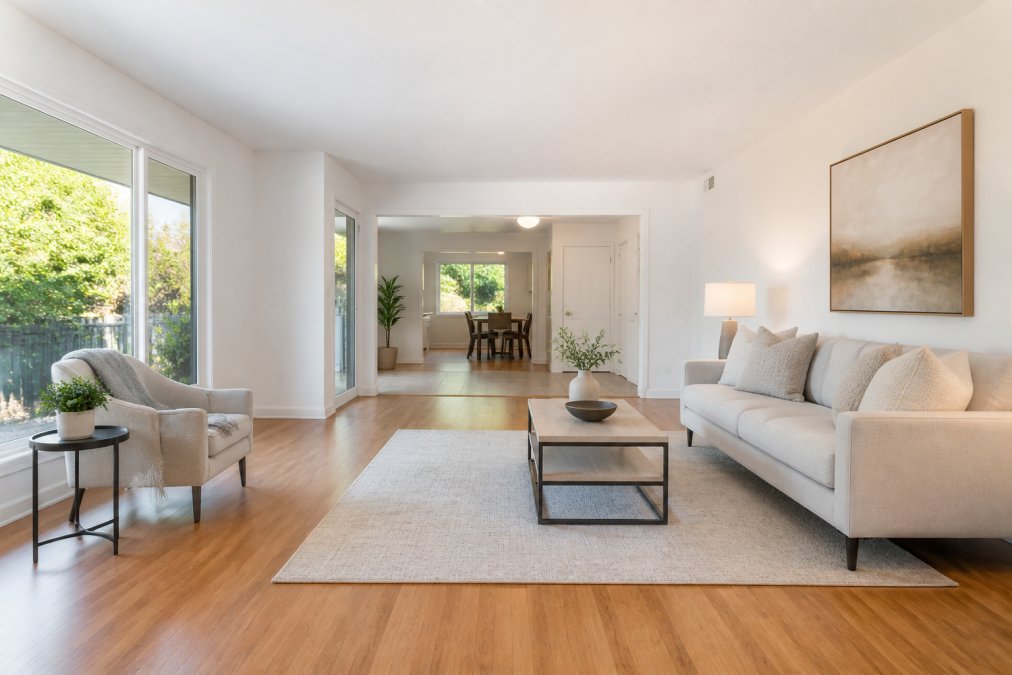
Book a storage unit before you start. Sellers who declutter with nowhere to put things end up stuffing closets and cabinets, which buyers always open. A month of storage costs less than a single price reduction.
2. Boost Curb Appeal With Landscaping and Cosmetic Repairs
Curb appeal is the first impression a buyer forms, often before they step out of the car, and it sets the emotional tone for the entire showing. Many agents find that exterior presentation influences how buyers judge everything inside. But in this market, a generic mow-and-mulch pass is table stakes, the properties that win the driveway moment are the ones whose exteriors read as low-maintenance and climate-appropriate, not just tidy.
Start with the high-visibility, low-cost fixes that apply everywhere:
- Mow, edge, and water the lawn consistently in the weeks before listing
- Trim overgrown shrubs away from windows and walkways
- Add fresh mulch to planting beds for an instant, tidy look
- Pressure-wash the driveway, walkway, and exterior walls
- Repaint the front door and replace worn house numbers and hardware
- Fix the small stuff: cracked pavers, loose railings, burned-out bulbs
Landscape for the Climate Buyers Actually Live In
A thirsty, high-water lawn is no longer a neutral feature here, it reads as a future expense and a maintenance burden. Drought-tolerant plantings, drip irrigation, and decomposed granite or gravel hardscape signal smart upkeep rather than an afterthought, and they photograph well in the flat, bright light that dominates most of the year. A University of California Agriculture and Natural Resources guide to water-wise landscaping is a useful reference for choosing plants that stay presentable through dry months, and many local water agencies publish rebate programs for replacing turf with low-water alternatives, worth checking before you rip anything out.
The ‘Lifestyle’ Sell Starts at the Curb
This is the angle most listing guides skip entirely: buyers here aren’t just purchasing a house, they’re purchasing a location and a daily routine. Your exterior is where you sell that routine before anyone walks inside.
- If you’re near a transit stop, a walkable commercial strip, or a popular trailhead, make the walk from the sidewalk to the front door feel effortless and inviting, that’s the same walk a buyer imagines doing every morning.
- Frame outdoor space as usable square footage. A shaded patio, a string-lit seating corner, or a tidy balcony reads as an extra room and justifies a higher price than the same home with a bare yard.
- Keep sightlines clean. Overgrown hedges that block windows or hide the entry undercut the sense of openness buyers are paying a premium for.
- Match the block. If neighboring homes are well-kept, your exterior needs to at least meet that bar; if the street is more modest, don’t over-invest in finishes that won’t be supported by surrounding values.
Spend your curb-appeal budget where the camera looks first. Most buyers see your listing photo before they ever see the house, so the front elevation, entry, and driveway, not the side yard, deserve the bulk of the spend.
3. Handle Mandatory Property Disclosures for Sellers
Mandatory property disclosures for sellers are the legally required statements that tell buyers about known defects, hazards, and material facts affecting the property. In California, these are not optional paperwork, and getting them wrong can unravel a sale or invite a lawsuit.
The core document is the Transfer Disclosure Statement, a statutory form on which the seller lists known issues with the property’s structure, systems, and surroundings. Sellers generally must also provide a Natural Hazard Disclosure Statement, a Megan’s Law notice, and, where applicable, a lead-based paint disclosure for homes built before 1978.
California Transfer Disclosure Statement and Local Requirements
The Transfer Disclosure Statement requires sellers to disclose, in good faith, everything they know that could affect a buyer’s decision. That includes water intrusion, foundation movement, permit history, neighborhood nuisances, and any death on the property within the past three years.
This is where a former attorney’s eye genuinely helps. Disclosure law rewards specificity and punishes vagueness, and an incomplete form is worse than a candid one. The California Department of Real Estate publishes the current statutory forms and requirements, and sellers should confirm they’re using the latest version before signing anything.
Never check “seller has no knowledge” on a disclosure form without verifying it. If a defect surfaces later and a prior repair invoice exists, an inaccurate disclosure can expose you to litigation long after closing.
4. Learn How to Price Your Home to Sell With a CMA
Learning how to price your home to sell starts with a Comparative Market Analysis, or CMA. A CMA is a report that estimates your home’s market value by comparing it to recently sold, currently listed, and expired properties in your immediate area.
A strong CMA weighs:
- Recent closed sales, the most reliable signal of market value
- Active listings, which represent your direct competition
- Pending sales, which show where buyer demand is heading
- Expired listings, which reveal what the market rejected
- Adjustments for square footage, lot size, condition, and upgrades
Neighborhood trends and buyer demand shift block by block, which is why a Zillow estimate and a real CMA can diverge sharply. Overpricing to “leave room to negotiate” is the most common and most expensive mistake sellers make: the first two weeks on the market draw the most attention, and a stale listing rarely recovers its momentum.
5. Apply Home Staging Tips for Sellers: Physical vs. Virtual
Home staging tips for sellers work best when you choose the right format for your property and price band. Physical staging places real furniture and decor in the home, while virtual staging digitally inserts furnishings into photographs of empty rooms.
| Staging Type | What It Involves | Best For | Typical Trade-off |
|---|---|---|---|
| Physical staging | Real furniture, art, and decor installed on site | Occupied or high-value homes buyers tour in person | Higher upfront cost, more coordination |
| Virtual staging | Digitally furnished listing photos | Vacant homes and online-first buyers | Doesn’t change the in-person showing |
When Virtual Staging Makes Sense
Virtual staging makes sense for vacant properties where empty rooms photograph poorly and for sellers marketing heavily online before in-person showings. It helps buyers see scale and function, but it has a limit: the moment a buyer walks in and finds an empty room, the photos and reality have to reconcile. Use virtual staging to get buyers through the door, not to misrepresent what’s there.
Physical staging sells the showing; virtual staging sells the click. High-value homes usually need both working together, with the on-site staging matching what the photos promised.
6. Make Strategic Repairs and Green Upgrades That Pay Off
Strategic repairs and green upgrades pay off when they remove buyer objections rather than chase perfection. The goal is a pre-inspection mindset: fix what a home inspector will flag so the buyer’s inspection doesn’t become a negotiation weapon. But in this market, the highest-leverage repairs aren’t always the cosmetic ones, they’re the compliance and resilience items that a local buyer’s agent will ask about before the inspection even happens.
Prioritize in this order:
- Safety and systems: water heaters, HVAC, electrical panels, smoke and carbon monoxide detectors
- Water intrusion: roof leaks, grading, and plumbing, the issues that scare buyers most
- Cosmetic repairs: a paint refresh, patched drywall, and updated fixtures
- Green upgrades: energy-efficient windows, insulation, and high-efficiency appliances
The Compliance Items Most Guides Skip
Two region-specific issues come up in nearly every transaction here and are almost never mentioned in generic pre-listing checklists:
- Seismic retrofitting. Older homes with a raised foundation or a cripple-wall or soft-story configuration are frequently called out as needing a retrofit. Sellers are generally required to disclose known seismic deficiencies, and a buyer’s lender or inspector may flag them regardless. Completing a retrofit before listing, or obtaining a clear engineering report, removes a major source of buyer hesitation and financing friction. Because retrofit standards and any local incentive programs change over time, confirm current requirements with the relevant city or county building department and a licensed contractor rather than relying on a guide.
- Transfer-tax and closing-cost mechanics. Local transfer taxes and documentary transfer fees are typically calculated on the sale price and split or assigned by contract, and they can be a meaningful line item on higher-priced homes. Knowing your approximate exposure before you set a price keeps you from being surprised at closing and lets you negotiate credits with clear eyes. Your escrow officer or title company can provide an exact figure for your transaction.
Don’t assume a retrofit is optional just because a prior owner skipped it. An undisclosed known deficiency can surface in the buyer’s inspection and reopen price negotiations, or worse, become a post-closing dispute. Disclose what you know, and document any work with permits and receipts.
Green Upgrades Buyers Here Actually Pay For
Energy efficiency isn’t a nice-to-have in a market with high utility costs, it’s a selling point buyers run the numbers on. The upgrades that tend to move the needle most:
- Solar. Owned panels (not a leased system) can be a genuine value-add, but leased systems transfer with an assumption agreement that some buyers resist. If you have a lease, have the transfer terms ready before showings.
- EV charging. A dedicated Level 2 outlet in the garage is increasingly expected by buyers who already drive electric, and it’s a relatively inexpensive install that differentiates your listing.
- Insulation, windows, and HVAC efficiency. These lower a buyer’s future carrying costs and signal a well-maintained home, which supports your asking price during appraisal.
For sellers weighing which improvements return the most at resale, the U.S. Department of Energy’s energy efficiency resources outlines upgrades with documented cost and performance value. The through-line: fix what a buyer will pay to not worry about, compliance, water, and energy, before you spend a dollar on finishes no one will notice.
Cosmetic repairs make a home look better; compliance and efficiency repairs make it easier to finance and cheaper to own. In a high-cost market, the second category is what actually closes the gap between list price and offer.
7. Deep Clean and Maximize Natural Light Before Showings
A deep clean and strong natural light do more for buyer perception than almost any other low-cost step. Buyers read a spotless, bright home as well-cared-for, and that impression quietly justifies a stronger offer.
Before showings:
- Wash windows inside and out, and open blinds and curtains
- Replace dim bulbs with higher-wattage, warm-white options
- Clean grout, baseboards, vents, and light fixtures
- Eliminate odors at the source; skip heavy air fresheners
- Clear window sills and trim anything blocking light
- Schedule showings and open houses during the brightest hours
Professional photography and a virtual tour extend that brightness to online buyers, who see your listing before they ever see the home. Since most buyers start their search on a screen, the photos and tour are often the real first showing.
Conclusion: Your Selling Timeline Starts Now
Preparing a home for sale is a sequence, not a scramble, and the sellers who start early consistently net more. If you’re weighing a trust or probate sale, a high-value property, or a straightforward move across Burbank, Glendale, Pasadena, San Marino, or the Hollywood Hills, the right guidance changes the outcome. Will Flannigan Real Estate brings a former attorney’s precision to disclosures and negotiation, nearly two decades of Burbank Rancho residency, deep local market knowledge, and Mandarin-speaking service for families navigating the process together. Get started with Will Flannigan Real Estate and find out what your home is really worth.
Frequently Asked Questions
What are the most important repairs to make before selling a home?
Focus on cosmetic repairs that affect first impressions: fresh paint, fixed cabinet hardware, patched drywall, and working light fixtures. Address any obvious plumbing leaks or electrical issues. A pre-inspection helps you identify problems buyers will flag. In Los Angeles, cosmetic updates often deliver better return on investment than major remodels because buyers in this market value move-in readiness and modern finishes.
Is staging necessary to sell a home in this market?
Staging is not legally required, but it strongly influences buyer demand. Physical staging helps buyers visualize the space, while virtual staging offers a lower-cost alternative for vacant properties. In competitive neighborhoods, well-staged homes tend to attract more showings and stronger offers. Work with your real estate agent to decide which approach fits your budget and selling timeline.
What documents do I need to prepare for a residential sale?
Sellers must complete mandatory property disclosures for sellers, including the Transfer Disclosure Statement, Natural Hazard Disclosure, and any local requirements. You will also need title documents, HOA information if applicable, and receipts for major repairs or upgrades. A pre-inspection report strengthens your position. Your real estate agent can provide a checklist and review every form before escrow opens.
How can I increase my home’s curb appeal on a budget?
Start with landscaping: trim overgrown shrubs, add fresh mulch, and plant seasonal flowers. Power-wash driveways and walkways. A paint refresh on the front door and trim adds visual impact for a low cost. Replace outdated light fixtures and house numbers. These cosmetic repairs create strong first impressions and help your listing photos stand out in a competitive market.
What are the legal requirements for property disclosures during a sale?
California law requires sellers to disclose known material defects affecting the property’s value or desirability. The Transfer Disclosure Statement is mandatory, along with natural hazard and environmental disclosures. Failure to disclose can lead to legal liability after closing. Your real estate agent should walk you through every required form and ensure compliance before you accept an offer.