
Table of Contents
- What Is a Trust Sale vs Probate Sale
- Key Differences: Trust Sale vs Probate Sale
- How to Sell Probate Property in California
- Probate Real Estate Timeline: What to Expect
- Understanding Court Confirmation of Sale in Probate
- Role of the Executor vs Trustee
- Tax Implications for Beneficiaries
- Common Pitfalls and Legal Mistakes
- Frequently Asked Questions
Last Updated: September 1, 2026
What Is a Trust Sale vs Probate Sale
Atrust sale is the transfer of real property held in a revocable living trust, executed by a successor trustee without court involvement. A probate sale is the court-supervised sale of property from a deceased person’s estate, requiring judicial approval. Trust sales bypass the court system entirely; probate sales navigate it as a legal requirement.
The choice determines your timeline, costs, and stress level. When someone passes away with assets in a revocable living trust, those assets transfer automatically to the named successor trustee, no court petition required. The trustee can then sell the property like any other homeowner. With probate, if property sits in the deceased’s name alone, the estate must go through the court system. An executor is appointed, the court oversees the process, and any sale requires judicial confirmation.
Trust sales typically close in 30-45 days (americanbar.org). Probate sales often take 6-12 months or longer (americanbar.org). Trust sales avoid statutory fees, bond requirements, and public court filings. Probate sales offer court protection for executors and beneficiaries against legal challenges, since every action is documented and supervised.
Key Differences: Trust Sale vs Probate Sale
The gap between a trust sale and probate sale spans four critical dimensions: legal authority, timeline, costs, and complexity.
Court Involvement and Legal Authority
A trust sale operates entirely outside the court system. The successor trustee derives authority from the trust document itself, no petition or judge’s signature required. The trustee lists the property, negotiates offers, and closes using the same process as any homeowner. The title company verifies the trustee’s authority through the trust certification.
A probate sale requires court confirmation at every major step. The executor files a petition to sell. The court reviews it. Notice goes to all interested parties. An overbid hearing may occur. Only after the court confirms the sale can escrow close. This oversight protects beneficiaries but adds layers of process.
Timeline and Speed of Closing
Trust sales close within 30-45 days of an accepted offer, assuming no financing contingencies or title issues. The absence of court delays means the process moves at market speed.
Probate sales move slower by design. The initial petition takes 2-4 weeks. The court hearing occurs 4-6 weeks later. Once confirmed, escrow takes another 30-45 days. Total elapsed time: typically 4-6 months minimum, often 8-12 months if complications arise.
Cost and Fee Structures
Trust sales carry minimal statutory costs. The successor trustee pays standard real estate commissions, title insurance, and escrow fees, the same expenses any seller incurs. Total transaction costs typically run 5-8% of the sale price.
Probate sales cost substantially more. California Probate Code Section 10800 allows executors to sell property, but the sale triggers statutory probate fees calculated as a percentage of the estate’s gross value (leginfo.legislature.ca.gov). The estate may also need to post a bond and pay court document fees. Between statutory fees, bond premiums, and extended carrying costs, probate sales often run 8-12% of the sale price or higher.
| Dimension | Trust Sale | Probate Sale |
|---|---|---|
| Court Involvement | None | Full court supervision |
| Timeline to Close | 30-45 days | 4-12+ months |
| Statutory Fees | None | Percentage-based (Probate Code § 10800) |
| Executor/Trustee Authority | Trust document | Court order |
| Public Record | Minimal | Full court file |
| Buyer Confidence | High (clear title) | Medium (court delays expected) |
| Ideal For | Trusts, quick sales | Intestate estates, contested situations |
How to Sell Probate Property in California
Selling probate property requires navigating court procedures, timing hearings, and managing buyer expectations through delays.

Filing the Petition and Getting Court Authority
The executor begins by filing a petition with the probate court in the county where the deceased resided. This petition requests authority to sell the real property. California Probate Code Section 10800 allows executors to sell property without court confirmation if all beneficiaries consent in writing, but this is rare. Most sales proceed under Section 10805, which requires court approval.
The petition includes the property description, estimated value, and proposed terms of sale. The court schedules a hearing, typically 4-6 weeks out. Notice must go to all heirs, beneficiaries, and creditors. At the hearing, if no objections are raised and the terms seem reasonable, the court grants an order authorizing the sale.
File the petition as soon as the letters of administration are issued. Delaying this step postpones the entire timeline by weeks.
Marketing and Receiving Offers
Once the court authorizes the sale, the property goes on the MLS. Disclose probate status upfront, transparency builds trust and attracts serious buyers who understand the timeline.
The executor cannot simply accept the first offer. Under California probate law, once an offer is received, the court must approve it before the executor can sign a purchase agreement. The executor files a report with the court listing the offers received. The court schedules a confirmation hearing. If an overbid is received after initial approval, California law allows a second hearing to consider the higher bid.
The Confirmation Hearing and Final Approval
The confirmation hearing is where the court formally approves the sale. The executor or their attorney presents the offer to the judge. If the price seems reasonable and the terms are fair, the court confirms the sale. This hearing typically lasts 5-15 minutes. After confirmation, the executor signs the purchase agreement, and the transaction moves into standard escrow.
If the court denies confirmation, the executor must relist the property and start the process again. Avoid this by ensuring the initial offer is genuinely market-competitive.
Probate Real Estate Timeline: What to Expect
Weeks 1-4: Estate Administration Begins
The will is filed with the court. The executor is appointed and receives letters of administration.
Weeks 5-8: Petition to Sell is Filed
The executor files the petition requesting authority to sell. The court schedules a hearing 4-6 weeks out.
Weeks 9-12: First Hearing and Court Authorization
The probate court approves the petition. The property is listed on the MLS.
Weeks 13-24: Marketing and Offer Period
The property is actively marketed. The executor selects the best offer and files it with the court for confirmation.
Weeks 25-28: Confirmation Hearing
The court confirms the sale. If no overbids are received, the judge approves.
Weeks 29-36: Escrow and Closing
The purchase agreement is signed. Escrow opens. The buyer conducts inspections and secures financing. The transaction closes.
Total: 7-9 months from petition filing to close of escrow. Complications can add 3-6 months.
In contrast, a trust sale typically takes 6-8 weeks from listing to close.
The probate timeline is not negotiable. Even if all parties agree to move quickly, the court cannot skip mandatory waiting periods. Plan for 6-12 months.
Understanding Court Confirmation of Sale in Probate
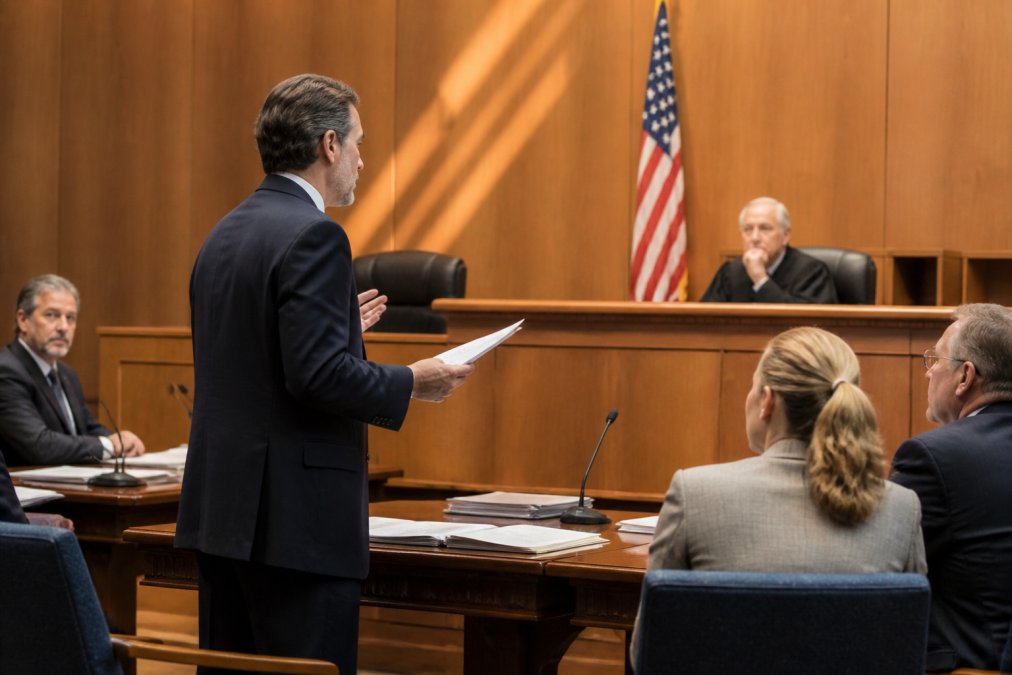
Court confirmation protects the estate, beneficiaries, and creditors. When the executor proposes to sell property, the court confirms that the sale is in the best interest of the estate. The judge reviews whether the price is fair, the terms are reasonable, and the process has been transparent. This protects beneficiaries from an executor who might sell too cheaply or to a related party at a discount.
The confirmation hearing is public. Any heir or creditor can attend and object. This transparency prevents fraud and self-dealing. For buyers, court confirmation provides assurance that the executor had proper authority and that the sale will close.
Role of the Executor vs Trustee
The executor is appointed by the court to manage a probate estate. The executor derives authority from the court order (letters of administration) and acts under court supervision. The executor must file accountings with the court, notify beneficiaries of major actions, and seek court approval for significant transactions like selling real estate. The executor is a fiduciary owing a duty of care and loyalty to the estate and beneficiaries.
The successor trustee is named in the trust document and derives authority from that document alone. The trustee does not report to a court or seek court approval for sales. The trustee is also a fiduciary owing the same duty of care and loyalty to beneficiaries, but acts independently without court supervision.
This explains why trust sales are faster: the trustee doesn’t need court permission. Both executors and trustees should work with experienced real estate agents and attorneys.
Tax Implications for Beneficiaries
When property is sold as part of an estate, beneficiaries may face capital gains tax. When someone dies, their property receives a “step-up in basis” to its fair market value on the date of death. If the deceased bought a home for $200,000 and it’s worth $600,000 at death, the beneficiary’s basis becomes $600,000. If the property is sold shortly after death for $600,000, there’s no capital gain and no capital gains tax.
However, if the property appreciates after the date of death and is sold later, the beneficiary owes capital gains tax on the appreciation. Selling quickly after death minimizes post-death appreciation and reduces tax exposure.
Additionally, if the estate is large enough, federal estate tax may apply. The federal estate tax exemption is substantial (over $13 million in 2026), but some estates exceed it. Beneficiaries should consult a CPA or tax advisor before the property sells to understand their personal tax situation.
Common Pitfalls and Legal Mistakes
Failing to File the Petition Promptly
Many executors wait weeks or months after probate opens before filing the petition to sell. The petition should be filed as soon as the letters of administration are issued.
Listing the Property Without Court Authority
Some executors list the property before the court grants authority to sell. This is legally improper. No offer can be accepted until the court approves the sale.
Accepting the First Offer Without Exploring the Market
Executors sometimes accept the first reasonable offer to close quickly. This may leave money on the table. The executor’s duty is to maximize the estate’s value.
Failing to Disclose Probate Status to Buyers
Transparency builds trust and attracts serious buyers who understand the timeline.
Not Working with a Probate-Experienced Real Estate Agent
Selling probate property differs from standard real estate sales. Work with an agent who specializes in probate and trust sales.
Ignoring Creditor Claims
The executor must notify creditors and allow them to file claims. If property is sold before creditor claims are resolved, the executor may face liability.
Failing to Obtain Proper Appraisals
An appraisal protects the executor by providing objective evidence that the sale price is reasonable.
The most costly mistake is proceeding without qualified legal counsel. An attorney familiar with California probate law can prevent costly errors and ensure compliance with all statutory requirements.
Navigating a trust sale or probate sale requires clarity on the legal process, timeline, and costs involved. The choice depends on how the property is titled and whether court oversight is needed.
Will Flannigan Real Estate specializes in trust and probate sales, combining real estate expertise with a former attorney’s understanding of the legal framework. Will Flannigan guides executors, trustees, and beneficiaries through every step, from court filings to closing. Will Flannigan understands the timeline pressures, cost implications, and the need for a fiduciary-focused approach that prioritizes the estate’s and beneficiaries’ interests.
What’s My Home Worth? Let’s discuss your specific situation and explore the best path forward for your property sale.
Frequently Asked Questions
Is a trust sale better than a probate sale in California?
Trust sales are typically faster, less expensive, and avoid public court oversight, making them preferable when a valid trust exists. Probate sales offer court protection and formal oversight, which can be valuable when disputes arise or when the decedent had no trust. The best choice depends on whether a trust was established, the estate’s complexity, and whether beneficiaries prefer privacy. If a trust sale is an option, it generally saves months and thousands in fees compared to probate.
What is the probate real estate timeline in California?
A typical probate sale takes 6 to 12 months from filing to closing. The timeline includes waiting for court authority (4-8 weeks), marketing the property (30-60 days), accepting an offer, scheduling a confirmation hearing (2-4 weeks after offer acceptance), and closing after court approval (30-45 days). Trust sales, by contrast, often close in 30-90 days. Delays can occur if there are competing bids, objections at the confirmation hearing, or disputes among heirs.
How does court confirmation of sale work in probate?
After an offer is accepted, the executor files a report with the court detailing the sale price, terms, and buyer information. The court sets a confirmation hearing, typically 2-4 weeks later, where beneficiaries and creditors can object or bid higher. If no objections are filed and the price is deemed fair, the judge approves the sale. The buyer must then close escrow, usually within 30-45 days. Court confirmation protects all parties by ensuring the sale price is reasonable and the process is transparent.
Who receives the money from a probate or trust sale?
Proceeds from either a probate or trust sale go first to pay debts, estate taxes, and statutory fees (court costs, executor/trustee fees, attorney fees). Remaining funds are distributed to beneficiaries according to the will or trust document. In probate, the court oversees this distribution. In a trust sale, the trustee distributes funds directly to named beneficiaries. The exact amount each beneficiary receives depends on the estate’s total debts, costs, and how the will or trust directs distribution.
This article was written using GrandRanker