
Table of Contents
- What Is Escrow and How Does It Protect Both Parties
- The Role of the Neutral Third Party in Escrow
- How Escrow Works in Trust Property Transactions
- Documents Needed for Trust Property Sale Escrow
- Escrow Timeline for Trust Sales: What to Expect
- Successor Trustee Responsibilities in Real Estate Escrow
- Common Pitfalls and How to Avoid Them
- Frequently Asked Questions
Last Updated: September 25, 2026
What Is Escrow and How Does It Protect Both Parties
Escrow is a legal arrangement where a neutral third party holds money, documents, or assets on behalf of both the buyer and seller during a real estate transaction, with escrow for trust property requiring additional verification of trustee authority. Neither party can access the funds until all contractual obligations are met. This protection works both ways: the seller knows the buyer has committed funds, and the buyer knows their money won’t be released until the property is actually theirs.
Escrow acts as a safety net, and escrow for trust property ensures nothing moves forward until every condition is satisfied and trustee authority is verified.
The escrow process involves verifying documents, confirming title insurance, and coordinating between parties. For trust property, the escrow officer must confirm the successor trustee has legal authority to sell, preventing problems that could derail the transaction.
The escrow holder is not a judge or mediator. They’re a facilitator who follows the written escrow instructions to the letter. If something doesn’t match those instructions, the funds don’t move. This is why getting your escrow instructions right from the start matters so much.
The Role of the Neutral Third Party in Escrow
The escrow holder, typically a title company, escrow company, or attorney, remains completely impartial and follows written escrow instructions without deviation.
The escrow holder collects and verifies documents, confirms funds, ensures title insurance, coordinates with lenders and inspectors, and releases funds only when conditions are met. For trust property, they verify the successor trustee‘s authority by requesting a certification of trust, preventing unauthorized transfers.
The escrow holder maintains strict neutrality, executing instructions as written. If conditions aren’t satisfied, funds don’t move, this neutrality makes the system trustworthy.
Never give verbal instructions to the escrow officer. Always provide written amendments to the escrow instructions signed by all parties. Verbal agreements create confusion and disputes.
How Escrow Works in Trust Property Transactions
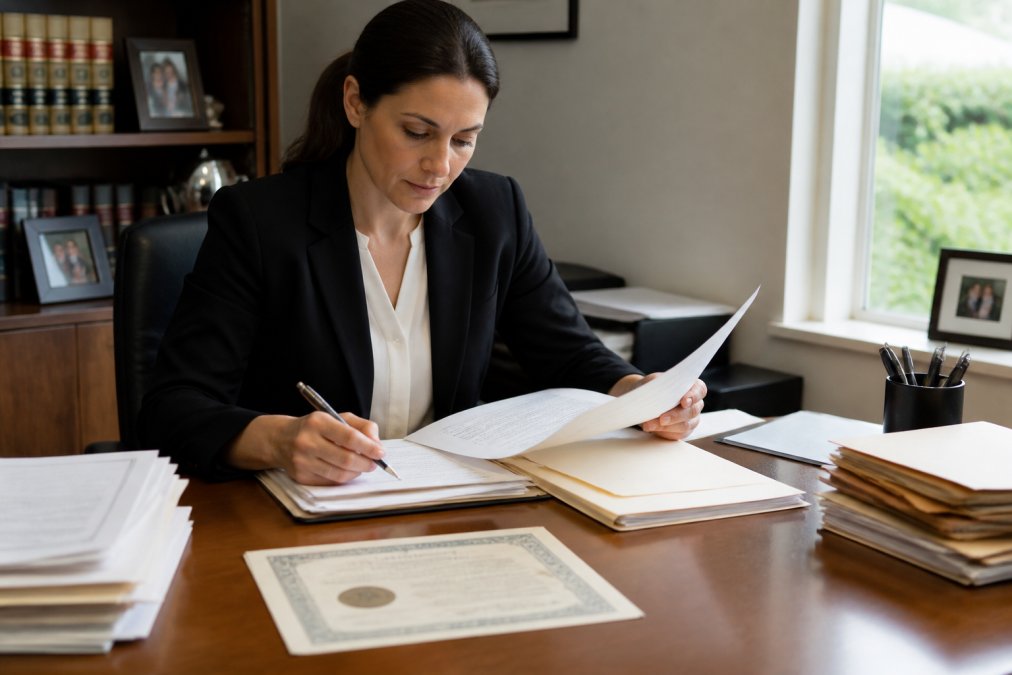
Trust property escrow follows the same framework as regular escrow but with critical differences in how title transfers. Understanding the vesting mechanism, how property legally moves from trust to buyer, is essential to avoid complications.
The Standard Escrow Process for Trust Property
For trust property, the escrow process unfolds as follows: (1) Buyer and seller (the trust, represented by successor trustee) sign the purchase agreement and buyer deposits earnest money.
How Title Vests: The Critical Mechanism
The Grant Deed and Vesting Language
Removing the Trust from Title
Complications Unique to Trust Property Vesting
If the property was never formally transferred into the trust, it remains in the original owner’s name. The title company will require a correction deed before closing. If the original owner is deceased, this requires a court order or affidavit of death and succession, adding 2-4 weeks. Verify the property was formally transferred into the trust before listing.
Timeline for Vesting and Title Transfer
Before escrow opens, confirm with your attorney that the property is properly titled in the trust’s name and that all trust amendments are current. This prevents the most common vesting complications. At closing, carefully review the grant deed to ensure the vesting language matches what the buyer has requested and that your name and title (“Trustee of [Trust Name]”) are correct.
Never sign a grant deed that lists you personally as the seller instead of “[Your Name], Trustee of [Trust Name].” If you sign in your personal capacity, you may be personally liable for any title defects, and the buyer’s title insurance may be invalid. Always sign as trustee, and always have the signature notarized.
Documents Needed for Trust Property Sale Escrow
Understanding the sequence and purpose of required documents prevents delays and confusion.
Documents Requested at Escrow Opening (Days 1-3)
-
Certification of Trust, Proves trustee authority without revealing full trust terms. This is the most important document. Without it, escrow cannot proceed.
-
Grant Deed or Trust Deed, Shows how the property was transferred into the trust. Verifies the trust’s chain of title. A recorded copy from the county recorder works if the original is unavailable.
-
Property Deed, Current recorded deed showing the trust as owner, confirming the property is held in the trust’s name, not the trustee’s personal name.
-
Trustee’s Declaration, Signed statement confirming your authority, the trust’s validity, and that the sale is authorized under the trust document. Protects the escrow officer by documenting that you authorized the sale.
Documents Requested During Title Review (Days 4-10)
-
Trust Amendment or Restatement, Confirms the property is still part of the trust and the trustee’s authority wasn’t revoked.
-
Property Tax Records, Last year’s statement showing the trust as owner, confirming the property has been held in the trust’s name and identifying any unpaid taxes.
-
Homeowners Insurance Policy, Current information confirming insurance is in place through closing.
-
Preliminary Title Report, Lists liens, easements, judgments, or encumbrances. The escrow officer flags any liens in the trustee’s personal name or in the trust’s name that must be paid off at closing.
Documents Requested If Title Issues Arise (Days 5-20)
-
Lien Release or Payoff Statements, Payoff statements for liens (mortgage, property tax, judgment) showing the exact amount to clear, deducted from sale proceeds at closing.
-
Court Orders, Certified copies if the trust was created through probate or if a court order authorized the sale.
-
Beneficiary Information or Consent, If the trust requires beneficiary consent to sell, written consent from all beneficiaries must be provided. This can delay closing if beneficiaries are difficult to reach or disagree with the sale.
Documents Provided by the Buyer and Lender (Days 8-25)
-
Proof of Funds, Bank statement or lender letter confirming the buyer’s down payment is available.
-
Loan Approval, Lender approval and commitment letter. Lenders typically take 10-15 business days; title issues on trust property can extend this.
-
Title Insurance Commitment, Lists exceptions to coverage. If the trust’s ownership is unclear, the title company may refuse to insure, halting the transaction.
Documents Signed at Closing (Days 30-45)
-
Grant Deed, Transfers property from trust to buyer. Must be signed by you as trustee and notarized.
-
Affidavit of Non-Foreign Status, Federal requirement confirming the trust is not a foreign entity.
-
Closing Disclosure, Federal form summarizing loan terms, closing costs, and final numbers (may not be required for cash sales).
-
Settlement Statement, Accounting of all funds received and disbursed, showing where proceeds go.
Common Documentation Pitfalls
Prepare your certification of trust, trust amendments, and property deed BEFORE you list. These three documents answer 80% of the escrow officer’s questions and prevent the most common delays. Have your attorney review them to ensure they’re complete and current.
Never assume the escrow officer has all the documents they need. Proactively provide them in the sequence outlined above. If you wait for the escrow officer to request each document, you’ll add 10-15 days to your closing timeline.
Escrow Timeline for Trust Sales: What to Expect
Most trust property escrow closings take 30 to 45 days from opening to final disbursement. Days 1-3: Escrow opens, buyer deposits earnest money. Days 4-7: Title search and preliminary report issued; trustee submits authority documents. Days 8-14: Buyer inspections, lender appraisal, title issues resolved. Days 15-30: Lender approval, final walkthrough, contingencies satisfied. Days 31-45: Final signatures, funds wired, title transfers.
Successor Trustee Responsibilities in Real Estate Escrow
As a successor trustee, you have specific legal duties: act in good faith at fair market price, follow the trust document’s distribution instructions, disclose material facts, maintain fiduciary duty to beneficiaries, provide documentation of authority, and coordinate with beneficiaries as required. You’re personally liable for breaching these duties. Escrow protects you by creating a documented record of disclosures and actions.
Common Pitfalls and How to Avoid Them
Common preventable pitfalls: (1) Missing certification of trust, prepare before listing to avoid two-week delays. (2) Not understanding your authority, review your trust document or consult an attorney before listing. (3) Failing to disclose trust complications, disclose amendments, multiple trustees, or beneficiary disputes upfront. (4) Mixing personal and trust funds, direct escrow to wire proceeds to the trust account. (5) Not coordinating with beneficiaries, keep them informed and obtain written consent before listing if required.
Frequently Asked Questions
What documents are required to open escrow for a trust property sale?
Selling trust property requires a certification of trust (proving the trustee’s authority), a copy of the trust document or relevant portions, the grant deed showing the property vests in the trust, and a succession document if you’re a successor trustee. The escrow officer will also need the purchase agreement, proof of funds, and identification. Your real estate advisor can provide a complete checklist specific to your situation.
Does a successor trustee have the authority to sign escrow documents?
Yes, a successor trustee has the authority to sign escrow documents if properly named in the trust and the original trustee is unable or unwilling to serve. However, you’ll need to provide a certification of trust to the escrow officer proving your authority. This document confirms your legal standing without disclosing the full trust details. Having an attorney review your trust beforehand prevents delays during escrow.
How does a trust affect the escrow closing process?
Trust property sales typically require additional documentation and verification steps compared to standard sales, which can extend the timeline by 1-2 weeks. The escrow officer must confirm the trustee’s authority, verify the property vests correctly in the trust, and ensure all fiduciary duties are met. The disbursement of funds at closing must follow trust instructions, and title insurance requirements may differ. Working with someone experienced in trust sales prevents costly delays.
What are common escrow mistakes to avoid when selling trust property?
Common pitfalls include incomplete or incorrect trust documentation, failing to provide a certification of trust early in the process, not understanding vesting requirements before entering escrow, and overlooking successor trustee authorization issues. Many sellers also underestimate closing timelines or fail to address contingencies related to trust authority upfront. A thorough review of your trust and early communication with your escrow officer prevents most problems.