
Table of Contents
- Why Relocating to Burbank Makes Sense
- Cost of Living in Burbank: What to Expect
- Burbank Rancho Neighborhood Profile
- Burbank Neighborhoods at a Glance
- Schools, Transportation, and Local Amenities
- Pet-Friendly Living and Outdoor Recreation
- Sustainability and Green Living in Burbank
- Pros and Cons of Relocating to Burbank
Last Updated: August 19, 2026
Why Relocating to Burbank Makes Sense
Relocating to Burbank offers a unique blend of urban convenience and residential charm that appeals to a wide range of buyers. The city balances proximity to major employment centers with a strong sense of neighborhood identity. Will Flannigan Real Estate has guided many relocating buyers through this transition, revealing why Burbank consistently ranks among the region’s top relocation destinations.
The city’s appeal lies in its strategic location, established community atmosphere, and diverse neighborhood options. Whether you’re drawn by the media industry presence, equestrian lifestyle opportunities, or walkable neighborhoods, Burbank delivers tangible advantages beyond typical suburban offerings.
The best time to explore neighborhoods is during weekday mornings and weekend afternoons. You’ll see actual traffic patterns, school pickup activity, and how residents genuinely use public spaces.
Cost of Living in Burbank: What to Expect
Housing costs represent the largest component of relocating to Burbank expenses and vary significantly by neighborhood. The median home price reflects strong demand, positioning Burbank as a premium market within Greater Los Angeles. Property tax rates follow California’s Proposition 13 framework, meaning your tax burden depends on purchase price rather than current market value, a significant advantage for long-term owners. Rental markets tend to run 10-15% below ownership costs for comparable properties.
Utilities in Burbank are moderate compared to statewide averages, though summer cooling demands can increase air conditioning expenses. Grocery costs align with regional averages, and local dining options range from budget-friendly to upscale. The city’s investment in infrastructure and services justifies the premium compared to more distant communities.
Budget 25-30% of gross household income for housing costs in Burbank. This aligns with conventional lending standards and leaves room for other expenses while maintaining financial flexibility.
Burbank Rancho Neighborhood Profile
Character and Atmosphere
The Burbank Rancho neighborhood represents the city’s most established residential character, with tree-lined streets, mid-century architecture, and a palpable sense of community history. This neighborhood developed during post-war suburban expansion and retains that era’s emphasis on spacious lots, single-family homes, and quiet residential corridors. Walking through Burbank Rancho reveals consistent architectural themes: broad front lawns, mature landscaping, and homes set back from the street in ways that create privacy without isolation.
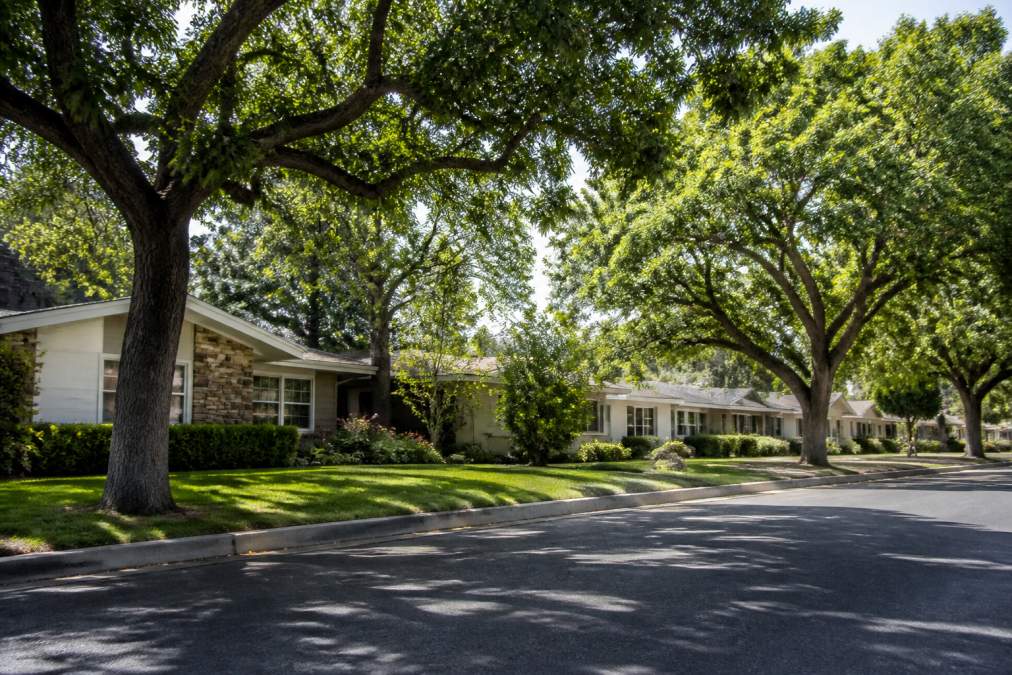
Local amenities cluster around the neighborhood’s edges rather than dominating it, preserving residential character while ensuring shopping, dining, and services remain accessible. Parks within walking distance provide recreation without commercial intrusion. The neighborhood’s commitment to preserving its character means zoning restrictions limit commercial development, which protects property values while constraining retail diversity.
Housing and Real Estate Market
The real estate market in Burbank Rancho reflects strong demand from buyers seeking established neighborhoods with proven stability. Properties command premium pricing relative to newer developments, justified by lot size, mature landscaping, and neighborhood prestige. Most homes were built between 1945 and 1970, with many undergoing significant modernization including updated kitchens, renovated bathrooms, and system upgrades.
Lot sizes typically range from 6,000 to 10,000 square feet, substantially larger than newer developments. This space supports the equestrian lifestyle that defines portions of the neighborhood, with many properties featuring room for horses, guest houses, or expanded landscaping. Will Flannigan Real Estate specializes in helping relocating buyers navigate Burbank Rancho’s nuances, with deep familiarity of zoning regulations and market dynamics.
Burbank Neighborhoods at a Glance
North Burbank: Quiet Residential Living
North Burbank offers classic suburban streets, parks, and mature trees. The tree canopy provides natural shade and cooling and gives the area its character.
Parks and recreational facilities define the North Burbank experience, with Olive Recreation Center, Magnolia Park, and numerous smaller parks providing playgrounds, sports facilities, and open space.

Walkability in North Burbank exceeds typical suburban standards. Sidewalks connect residential areas to parks and local shopping. Traffic patterns remain manageable, with most streets designed for residential speeds rather than through-traffic.
Downtown Burbank: Urban Walkability
Downtown Burbank represents the city’s urban core, offering walkable neighborhoods with mixed-use development, local restaurants, entertainment venues, and cultural attractions. This area appeals to buyers who prioritize walkability and urban convenience over suburban spaciousness.
The walkability in downtown Burbank ranks among the highest in Greater Los Angeles. Residents accomplish daily errands on foot, with grocery stores, pharmacies, restaurants, and entertainment venues concentrated within a few blocks. This urban design reduces transportation costs, supports local business vitality, and creates the spontaneous social interactions that characterize vibrant neighborhoods.
Media industry presence shapes downtown Burbank’s employment landscape, with proximity to studios, production facilities, and entertainment companies making it the natural choice for industry professionals. Housing includes condominiums, townhouses, and smaller single-family homes reflecting urban density. Prices per square foot run higher than other neighborhoods, reflecting walkability premiums and urban amenities.
Equestrian Neighborhoods: Space and Lifestyle
The equestrian neighborhoods of Burbank offer a distinctive lifestyle combining residential proximity with genuine ranch space. These areas maintain large-lot zoning that permits horse ownership, agricultural uses, and rural character within city limits. Properties typically feature 1-3 acres, stables, paddocks, and pasture space supporting multiple horses.
The equestrian lifestyle attracts competitive and recreational riders and anyone interested in horsemanship. Riding clubs, trail systems, and equestrian facilities cluster in these neighborhoods, creating a built-in community of like-minded residents. Will Flannigan Real Estate’s experience with equestrian properties helps clients evaluate land suitability, zoning compliance, and long-term value retention in these specialized neighborhoods.
Equestrian properties require year-round pasture management, water infrastructure for livestock, and veterinary access. Properties with inadequate water supply or poor drainage create ongoing management challenges that reduce quality of life and property value.
Schools, Transportation, and Local Amenities
The Burbank Unified School District serves the city with elementary, middle, and high schools. School assignments are set by address, so confirm the boundary for any specific home directly with the district.
Public transportation in Burbank includes bus service through Metro, connecting residents to regional employment centers and entertainment destinations. The bus network serves downtown Burbank well, with limited service to outlying neighborhoods. The commute to downtown Los Angeles takes 30-45 minutes via public transit, making Burbank accessible for workers throughout the region.
Local amenities reflect Burbank’s character and neighborhood diversity. Downtown offers restaurants, galleries, performance venues, and entertainment options concentrated in walkable blocks. Suburban neighborhoods feature parks, libraries, and community centers. The media industry presence creates unique amenities unavailable in typical suburban communities, including industry-focused restaurants, networking venues, and studio tours.
Pet-Friendly Living and Outdoor Recreation
Burbank’s pet-friendly neighborhoods and parks make the city attractive for residents with animals. Several parks include designated dog areas where off-leash play is permitted, creating community gathering spaces for pet owners. The Los Angeles River recreation corridor provides walking and biking paths, connecting Burbank to regional trail systems.
Pet ownership in Burbank requires consideration of local ordinances, veterinary services, and housing restrictions. Most neighborhoods permit pets, though specific buildings may impose limits on size, breed, or number of animals. Veterinary clinics distributed throughout the city provide accessible care. The equestrian neighborhoods naturally accommodate pet ownership through their rural character and land availability.
Sustainability and Green Living in Burbank
Sustainability initiatives in Burbank reflect the city’s commitment to environmental responsibility. Green building standards for new construction encourage energy efficiency, water conservation, and sustainable materials. Water conservation practices address California’s drought challenges through landscape design emphasizing native plants and efficient irrigation. Many properties feature smart irrigation systems that adjust watering based on weather conditions.
Energy efficiency reflects both new construction standards and retrofit programs for existing properties. Solar installation has become increasingly common, with residential systems providing significant long-term savings. The region’s abundant sunshine makes solar particularly effective, with many properties achieving net-zero energy consumption. Public transportation improvements and downtown Burbank’s walkability naturally support lower-carbon lifestyles.
Pros and Cons of Relocating to Burbank
Advantages of relocating to Burbank include established neighborhoods with strong community character, diverse housing options across price ranges, and convenient access to regional employment centers. Strong property values and consistent appreciation provide long-term wealth building for homeowners. The media industry presence creates unique employment and networking opportunities. Walkability in select neighborhoods reduces transportation costs and supports active lifestyles. Schools consistently rank well, and the equestrian lifestyle option appeals to buyers seeking space and rural character.
Disadvantages of relocating to Burbank center on housing costs that exceed many comparable communities. Traffic congestion during peak hours affects commuting, particularly on major corridors. Air quality can suffer during summer months. Parking limitations in downtown areas create inconvenience for vehicle-dependent residents. Commutes to distant employment centers require 45+ minutes via public transit. The competitive real estate market requires quick decision-making and multiple-offer situations that stress buyers.
Relocating to Burbank represents a significant decision requiring careful evaluation of neighborhood fit, financial capacity, and lifestyle priorities. The city’s diverse neighborhoods accommodate different preferences, from equestrian lifestyles to urban walkability. Will Flannigan Real Estate brings local expertise and fiduciary-focused guidance to this decision. His background as a former attorney combined with deep Burbank Rancho residency creates a unique advisory perspective that helps clients navigate complex market conditions, understand long-term value drivers, and make confident purchasing decisions. Ready to explore Burbank neighborhoods with expert local guidance? Contact Will Flannigan Real Estate to discover what your home is worth and how to position yourself strategically in this competitive market.
| Neighborhood | Best For | Character | Housing Type |
|---|---|---|---|
| North Burbank | Tree-lined residential streets | Quiet, suburban | Single-family homes |
| Downtown Burbank | Walkability and dining | Walkable, vibrant | Condos, townhouses |
| Burbank Rancho | Established residents | Historic, spacious | Mid-century homes |
| Equestrian Areas | Horse enthusiasts | Rural, large-lot | Acreage properties |
Relocating to Burbank requires understanding neighborhood dynamics, cost structures, and lifestyle fit. The city’s established communities, and diverse housing options create genuine value for buyers seeking Greater Los Angeles living. California Association of Realtors market data provides benchmark information for comparing Burbank to regional markets. Burbank Unified School District can confirm school assignments for a specific address. Los Angeles County assessor property tax information clarifies tax implications for prospective buyers. Will Flannigan Real Estate’s specialized expertise in trust sales, probate transactions, and Burbank Rancho properties positions him uniquely to guide relocating clients through this transition with confidence and care.
Frequently Asked Questions
How do I choose a Burbank neighborhood when relocating?
The best neighborhood depends on your priorities. North Burbank offers tree-lined residential streets and community parks. Burbank Rancho provides established neighborhoods with equestrian properties and spacious lots. Downtown Burbank suits buyers who value walkability and proximity to entertainment. Consider your commute, outdoor space, housing type, and neighborhood character when choosing. A local real estate agent familiar with each area’s housing and amenities can help you compare options.
How much income is needed to live comfortably in Burbank?
Cost of living in Burbank is moderate compared to other Greater Los Angeles areas. Housing costs vary significantly by neighborhood and property type, from condos to single-family homes. Beyond rent or mortgage, budget for property taxes, utilities, and local services. A general guideline: aim for housing costs not exceeding 28-30% of gross household income. The actual comfortable income level depends on your household, lifestyle preferences, and whether you're buying or renting. Getting a local market analysis from an experienced real estate professional helps clarify what's realistic in your target neighborhood.
How can I research a Burbank neighborhood before buying?
Visit at different times of day, walk the streets, and look at traffic patterns, street lighting, parks, and nearby shopping. If public safety information matters to you, the Burbank Police Department publishes crime data you can review directly. A real estate agent can share facts about homes, zoning, and the market, but you should draw your own conclusions about which area fits you.
Is Burbank a good place for first-time homebuyers relocating from out of state?
Yes, Burbank offers advantages for first-time homebuyers: stable neighborhoods, reasonable property tax rates compared to California averages, and diverse housing options from condos to single-family homes. The media and entertainment industry presence creates stable local employment. However, first-time buyers should understand California's transfer taxes, homeowners insurance costs, and HOA fees if applicable. Working with a knowledgeable local agent who understands financing, inspection processes, and neighborhood-specific market conditions helps first-time buyers avoid overpaying and make confident offers in competitive situations.
What makes relocating to Burbank different from moving to nearby areas like Glendale or Pasadena?
Each area has distinct characteristics. Burbank emphasizes its studio district heritage, walkable neighborhoods, and lower density than some neighbors. Glendale offers diverse neighborhoods and cultural amenities. Pasadena features historic charm and higher price points. Burbank's proximity to major highways (I-5, 134) and entertainment industry hubs appeals to commuters and creative professionals. Cost of living, school districts, and neighborhood character differ across these communities. A local real estate professional familiar with all three areas can help you understand which best matches your lifestyle and budget.
How do I evaluate neighborhoods when relocating to Burbank without local knowledge?
Start by identifying your priorities: commute time, walkability, outdoor space, or proximity to specific amenities. Visit neighborhoods at different times, weekdays, weekends, mornings, and evenings, to experience traffic patterns and community atmosphere. Check school boundaries with the district and research local amenities online. Drive or walk main streets to assess neighborhood character and commercial activity. Connect with a local real estate agent who can share facts about each neighborhood’s housing, zoning, and market trends. Their experience helps you avoid overpaying and find communities aligned with your actual needs.
What should I know about the real estate market when relocating to Burbank in 2026?
Burbank's real estate market reflects Greater Los Angeles trends: property appreciation, competitive bidding situations, and inventory challenges in desirable neighborhoods. Median home prices vary significantly by neighborhood and property type. Understanding local market conditions, how long homes stay on market, typical price negotiations, and neighborhood-specific appreciation, helps you make informed offers. Market conditions change seasonally and annually. Working with an experienced local agent provides current data on comparable sales, pricing strategies, and negotiation tactics specific to your target neighborhood, helping you avoid overpaying in bidding wars.