
Table of Contents
- Understanding Probate Inventory and Fair Market Value
- Date of Death Property Valuation: The Starting Point
- Real Estate Appraisal vs. Comparable Sales Analysis
- Probate Referee vs Private Appraiser: Which One Do You Need?
- How to Sell a House in Probate: Valuation’s Role in the Process
- Executor’s Fiduciary Duty and Valuation Disputes
- Tax Implications of Home Valuation in Probate
- Conclusion
Last Updated: August 27, 2026
Understanding Probate Inventory and Fair Market Value
When someone passes away, their estate enters the probate process. One of the first and most critical steps is determining the value of all assets, including the home. This valuation becomes the foundation for tax filings, distribution to beneficiaries, and court documentation.
The probate inventory is the official list of all assets owned by the deceased at the time of death. Real estate is typically the largest asset in most estates. Fair market value is defined as the price at which a property would change hands between a willing buyer and a willing seller, neither being under pressure to buy or sell and both having reasonable knowledge of relevant facts (irs.gov).
Many executors mistakenly use the home’s assessed value for property taxes as a starting point. Tax assessments serve a different purpose and are often significantly lower than fair market value. When determining how to value a home for probate court, you’re establishing the estate’s gross value for legal and tax purposes, which affects estate tax calculations and the distribution timeline.
The deadline for completing the probate inventory varies by state, but most courts require it within several months of the executor’s appointment. A professional appraisal or comparative market analysis is the most reliable way to establish this value.
The date-of-death value, not the current market value, is what matters for probate. Even if the home appreciates significantly after death, the probate inventory uses the value from the day the person passed away. This is crucial for tax reporting and beneficiary distributions.
Date of Death Property Valuation: The Starting Point
The date of death is the critical moment for valuation purposes. Every asset in the estate, including real property, must be valued as of that specific date. This legal requirement affects estate taxes, income taxes for the estate, and the basis step-up that beneficiaries receive.
Date of death property valuation determines the cost basis for beneficiaries. If the home is worth $500,000 on the date of death and a beneficiary inherits it, their cost basis is $500,000 (irs.gov). If they sell it immediately for $500,000, they owe no capital gains tax. This step-up in basis is one of the most significant tax advantages of inheriting property.
To establish what the property was worth on that specific date, comparable sales analysis is particularly useful. Real estate agents and appraisers look at properties that sold within a reasonable timeframe around the date of death to establish what the market was doing at that moment.
If the home was recently appraised before death and the market hasn’t shifted dramatically, it can serve as a starting point. However, probate courts often require an independent valuation to confirm the figure. The property is valued as it existed on the date of death, in its actual condition at that time, including any deferred maintenance or structural issues.
The date of death is the fixed point for all estate valuations. This single date determines tax basis, estate tax calculations, and the beneficiary’s starting point for any future gains or losses.
Real Estate Appraisal vs. Comparable Sales Analysis
When determining how to value a home for probate court, you have two primary approaches: a formal appraisal or a comparative market analysis.
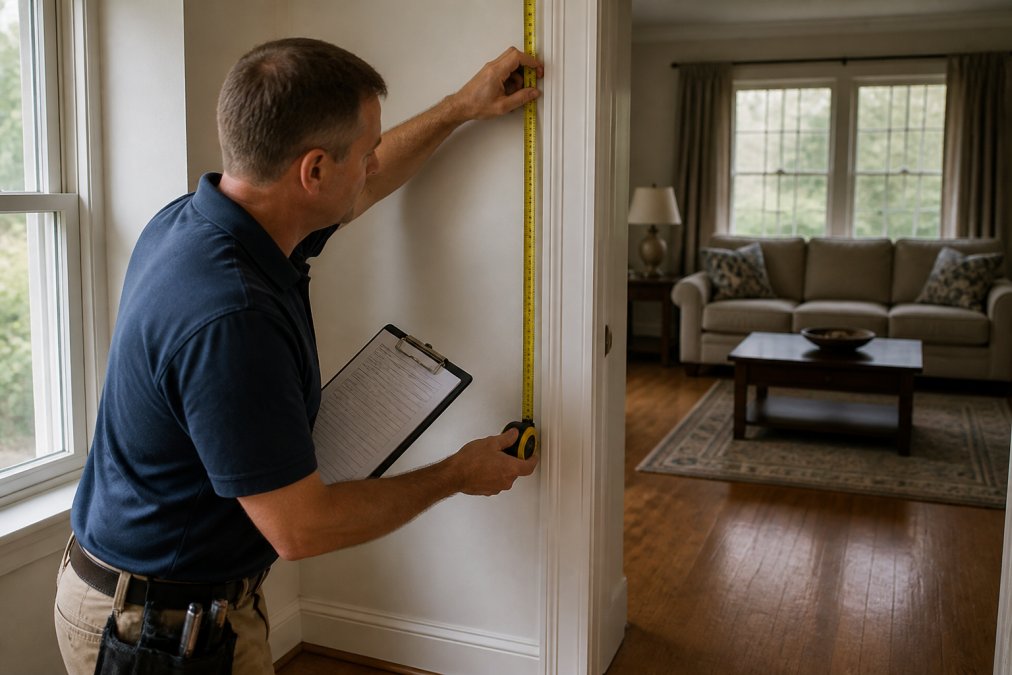
A real estate appraisal is a formal, licensed professional’s detailed assessment of a property’s value. The appraiser inspects the home thoroughly, documents its condition, measures square footage, evaluates the lot, and applies valuation methodology to arrive at an opinion of value. This detailed, documented report is defensible in court and becomes part of the probate record.
A comparable sales analysis, sometimes called a comparative market analysis or CMA, is typically prepared by a real estate agent. The agent identifies recently sold properties with similar characteristics and uses those sales to estimate the subject property’s value. This approach is faster and less formal than an appraisal.
An appraisal is more thorough and carries more weight in probate court if disputes arise. A CMA is practical for straightforward situations but may not satisfy a court if the valuation is challenged. If the estate is substantial, if beneficiaries are likely to dispute the value, or if the property has unusual characteristics, an appraisal is the safer choice.
Many executors work with a real estate agent to provide a CMA first. If that analysis suggests a straightforward value that all parties accept, further appraisal may not be necessary. However, if there’s any hint of disagreement or if the estate is large enough that estate taxes are a concern, investing in a professional appraisal prevents problems later. The comparable sales method works well when there are recent sales of similar properties in the same area.
Probate Referee vs Private Appraiser: Which One Do You Need?
In some states, probate law requires the use of a probate referee, a court-appointed professional who values estate assets. This is particularly common in California and a few other jurisdictions.
A probate referee is a licensed professional appointed by the court to appraise estate property. The referee follows specific court procedures, charges a fee set by statute, and files a formal report with the court. Using a probate referee is often mandatory when the estate’s gross value exceeds a certain threshold, typically around $166,000 in many states (courts.ca.gov).
A private appraiser is a licensed professional you hire directly. You control the process, the timeline, and the appraiser you select. Private appraisals are often more flexible and can be completed faster than waiting for a probate referee.
Probate rules vary significantly by state. Some states require probate referees for all real property valuations above a certain amount. Other states allow executors to choose between a referee and a private appraiser. You need to understand your state’s specific requirements before deciding which path to take.
If your state requires a probate referee, you must follow that requirement. If your state allows discretion, consider these factors: the estate’s size, whether beneficiaries agree on the value, the complexity of the property, and the timeline.
Skipping required probate referee appointments can result in court delays, rejected filings, and additional legal fees. Always verify your state’s specific requirements before proceeding with a private appraiser alone.
Will Flannigan Real Estate works frequently with executors navigating these decisions. Having a real estate professional who understands local probate requirements helps ensure you’re following the correct process for your specific situation.
How to Sell a House in Probate: Valuation’s Role in the Process
Valuing a home for probate court and selling it are interconnected processes. The initial valuation establishes the estate’s value for legal purposes, but when you actually sell the house, market conditions may have changed.
Before a house in probate can be sold, the executor typically needs court approval, depending on the state and the will’s terms. The probate inventory, which includes the home’s valuation, is filed with the court. Only after the appropriate waiting period and court authorization can the property be listed and sold.

The initial valuation serves as a reference point. If the home sells for significantly more than the appraised value, that’s additional value to distribute. If it sells for less, that difference must be documented. The court cares about the date-of-death value for tax and legal purposes, not the eventual sale price.
When selling a house in probate, the executor acts as the seller on behalf of the estate. The executor’s fiduciary duty requires getting a fair price for the property. Many executors work with a real estate agent to market the property properly and negotiate fairly.
The timeline for selling probate property varies by state. Some allow sales to begin immediately after the inventory is filed. Others require waiting periods or formal court approval of any sale agreement before closing. The executor can sell the house for more or less than the probate appraisal, as the appraisal is a snapshot of value on a specific date while the actual sale price reflects current market conditions.
Executor’s Fiduciary Duty and Valuation Disputes
An executor’s fiduciary duty is a legal obligation to act in the best interests of the estate and its beneficiaries. This duty extends directly to the valuation process. The executor must ensure that the home’s value is determined accurately and fairly.
Valuation disputes arise when beneficiaries disagree about the property’s value. These disputes can delay probate, increase legal costs, and create family conflict. The executor’s role is to ensure that the valuation process was conducted professionally and that the value used is reasonable.
If a beneficiary challenges the valuation, the executor may need to defend the appraisal in court. A documented, professional valuation is far easier to defend than a casual estimate. The appraiser’s methodology and reasoning provide the foundation for defending the value if it’s questioned.
Working with professionals experienced in probate reduces the risk of disputes. These professionals understand how to document the valuation process in ways that withstand scrutiny.
Document every step of the valuation process. Keep copies of the appraisal report, any comparable sales analysis, communication with appraisers, and the executor’s reasoning for the chosen valuation method. This documentation protects the executor and provides evidence if the valuation is ever questioned.
Tax Implications of Home Valuation in Probate
The home’s valuation in probate has direct tax consequences for the estate and for beneficiaries.
For federal estate tax purposes, the estate’s total value determines whether estate taxes are owed. The home’s valuation contributes to this total. Accurate valuation is essential to avoid underpayment of taxes and penalties.
The step-up in basis is the most significant tax benefit of inheriting property. When a beneficiary inherits the home, their cost basis is the date-of-death value. If the home was purchased for $200,000 but is worth $500,000 on the date of death, the beneficiary’s basis is $500,000. If they sell it for $500,000, they owe no capital gains tax.
State-level inheritance taxes and property transfer taxes may also apply, depending on where the property is located. The probate valuation determines the amount subject to these taxes.
The executor may need to file an estate tax return if the estate exceeds certain thresholds. The home’s valuation must be reported accurately on these returns. For beneficiaries who eventually sell the inherited home, the step-up basis means they pay capital gains tax only on appreciation after the date of death. Getting the date-of-death valuation correct directly affects how much capital gains tax they’ll owe years later.
Many executors work with estate tax professionals to ensure valuations are reported correctly. This is particularly important for estates large enough to trigger federal or state taxes.
Navigating how to value a home for probate court can feel overwhelming, especially while managing other aspects of an estate. Will Flannigan Real Estate helps executors and beneficiaries in Greater Los Angeles understand the valuation process and connect with the right professionals to get it done correctly. With experience in trust and probate sales and a background in law, Will offers a unique advisory approach that combines steady guidance with a caring, fiduciary mindset. Whether you need guidance on the valuation process or support selling the property, reaching out to discuss your specific situation provides clarity and confidence. What’s My Home Worth? Let’s talk about your home’s value and next steps in the probate process.
| Valuation Method | Best For | Timeline | Cost |
|---|---|---|---|
| Comparable Sales Analysis | Straightforward estates, quick estimates | 1-2 weeks | Lower |
| Private Appraiser | Discretionary situations, flexibility needed | 2-4 weeks | Moderate |
| Probate Referee | Required by state law, formal court document | 4-8 weeks | Statutory fee |
| Combined Approach | Large estates, potential disputes | 4-8 weeks | Higher |
Frequently Asked Questions
How do I determine fair market value for a home in probate?
Fair market value is the price a property would sell for between a willing buyer and seller, neither under pressure. For probate, this is typically determined on the date of death. Use comparable sales from recent transactions in the same neighborhood, order a professional appraisal, or request a probate referee valuation if required by your state. The executor has a fiduciary duty to establish an accurate valuation for court filing and tax purposes.
Is a formal appraisal required for probate court?
Requirements vary by state and estate value. Some states require a court-appointed probate referee appraisal for estates above a certain threshold; others allow a licensed appraiser or real estate professional's valuation. Check your state's probate rules and your county court's specific requirements. A formal appraisal protects the executor by providing court-defensible documentation of the property's value on the date of death.
What's the difference between a probate referee and a private appraiser?
A probate referee is a court-appointed professional required in some states to value estate assets. A private appraiser is hired independently and provides an appraisal report. Probate referees follow strict state guidelines and their valuations carry legal weight in court. Private appraisers offer more flexibility in timing and cost but may require court approval in some jurisdictions. Your executor's duty is to ensure the chosen method meets your state's probate administration rules.
How does the date of death affect property valuation in probate?
The date of death is the legal valuation date for probate and estate tax purposes. The property must be valued as it existed on that specific day, not before or after. This date-of-death value determines the executor's inventory filing, potential estate tax liability, and the cost basis for beneficiaries. Any improvements or market changes after the date of death do not affect the probate valuation, though they may matter later if the property is sold.