
Table of Contents
- 1. Deep Local Knowledge of the Burbank Rancho Market
- 2. Rancho Burbank Real Estate Market Trends: What to Watch in 2026
- 3. Questions to Ask a Realtor Before Hiring
- 4. The Benefits of Hiring a Realtor with Legal Experience
- 5. Communication, Reviews, and Negotiation Tactics
- How to Compare Realtors: A Side-by-Side Framework
- Conclusion: Making Your Final Choice
- Frequently Asked Questions
Last Updated: September 11, 2026
1. Deep Local Knowledge of the Burbank Rancho Market
Choosing a Burbank Rancho realtor starts with one question: do they actually know this neighborhood, or just the ZIP code? This guide from Will Flannigan Real Estate breaks down the five things that separate a genuinely local advisor from a generalist with a map.
Burbank Rancho is not a single market. It is a patchwork of ranch-style homes on generous lots, equestrian-zoned parcels, and streets where a remodeled mid-century house sits two doors from an original 1940s build. An agent who tracks the broader Burbank market will quote you an average that says nothing about your block. Micro-market knowledge means knowing which streets back onto the equestrian trails, which lots can legally keep horses, and how a property’s square footage and lot size interact with buyer demand on that specific stretch.
Why Micro-Market Data Beats Generic Reports
Generic market reports aggregate too much. A citywide median price blends condos, hillside estates, and equestrian properties into one number that misleads everyone.
A realtor who works this neighborhood daily reads the listing detail page differently: they know which sales were trust or probate transactions, which closed below asking because of deferred maintenance, and which drew multiple offers despite cosmetic flaws. That context is what protects you from overpaying or underpricing. As the Consumer Financial Protection Bureau’s homebuying guide notes, understanding local market conditions is one of the strongest defenses a buyer or seller has.
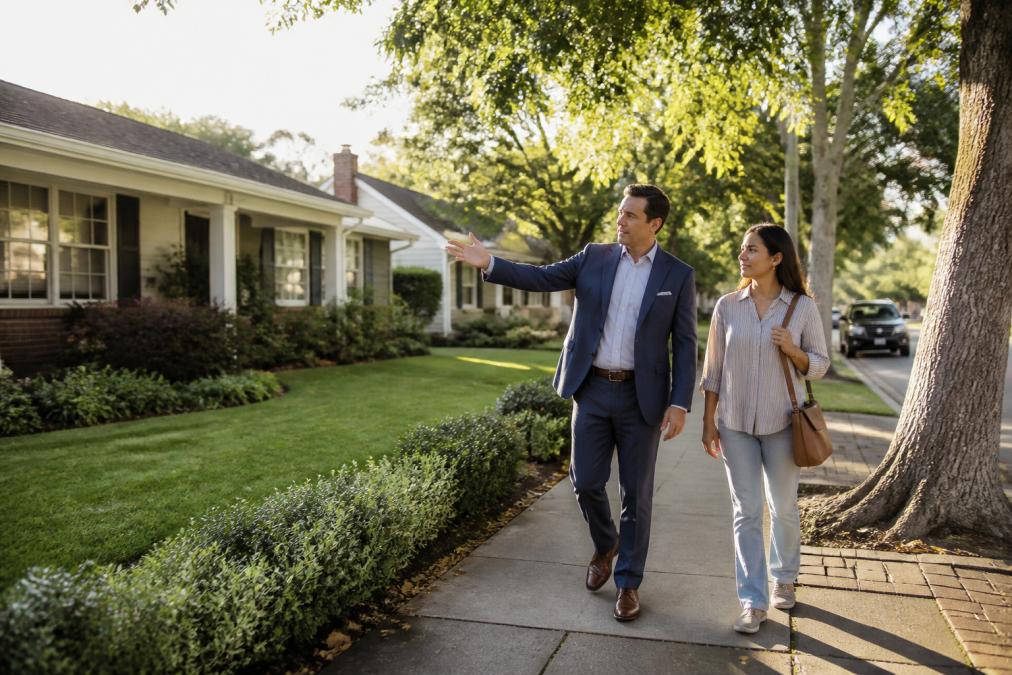
Ask any candidate agent to name three recent sales within a half-mile of your address and explain why each closed where it did. An agent with real micro-market knowledge answers without checking a database.
2. Rancho Burbank Real Estate Market Trends: What to Watch in 2026
Rancho Burbank real estate market trends in 2026 point to the same story across Greater Los Angeles: thin inventory and buyers who are patient but ready. Inventory scarcity in the equestrian and larger-lot segments is especially pronounced, because few homeowners in those pockets list in any given year.
That scarcity cuts both ways. Sellers of equestrian-zoned property hold unusual use on terms, since comparable sales may be months old and buyers have few alternatives. Buyers, meanwhile, need an agent who can spot value in a thin market rather than waiting for a perfect listing that may never appear.
Watch three signals this year:
- Days on market by micro-neighborhood, not citywide averages
- Lot size and square footage premiums, which reveal what buyers actually pay extra for
- Wildfire exposure and flood risk, now a routine part of property disclosures and insurance conversations
An agent who can walk you through these without hedging is worth more than one who quotes a headline number.
3. Questions to Ask a Realtor Before Hiring
The best questions to ask a realtor before hiring are the ones that force specificity. Vague answers reveal a generalist; precise answers reveal someone who has done this work in your neighborhood.
Start with these:
- How many properties have you closed in Burbank Rancho in the past 12 months?
- How do you price a home when comparable sales are scarce?
- What is your approach to contingency periods and offer terms in a competitive situation?
- How do you handle trust, probate, or estate sales?
- Can you explain the property disclosures a Rancho buyer should expect?
Vetting for Equestrian and Zoning Expertise
If your property sits in or near equestrian zoning, add one more question: can the agent explain the horsekeeping requirements and land-use rules that apply to this parcel? Equestrian zoning is a genuine specialty. An agent who cannot describe the difference between a standard residential lot and an equestrian-zoned one will struggle to market the property to the right buyer pool.
4. The Benefits of Hiring a Realtor with Legal Experience
The benefits of hiring a realtor with legal experience show up in the details most transactions never test: contract language, disclosure obligations, and the paperwork behind a trust or probate sale.
Will Flannigan Real Estate is led by a former attorney, and that background changes how the advisory relationship works. A fiduciary mindset means the recommendation is built around your outcome, not the fastest close. For sellers navigating a trust sale or an estate, that legal fluency reduces the handoffs and guesswork that slow a transaction down (consumerfinance.gov).
A common mistake is assuming every agent handles probate and trust sales the same way. Most do not. If the estate is complex, ask directly who reviews the court paperwork and whether the agent coordinates with your attorney or expects you to manage it alone.
5. Communication, Reviews, and Negotiation Tactics
Communication skills and negotiation tactics decide outcomes more often than listing photos do. A responsive agent returns calls the same day, explains each step of the escrow process in plain language, and tells you when an offer is genuinely strong versus merely fast (nar.realtor).
Reading Client Reviews and Sales History
Client reviews and sales history tell you what a bio cannot. Look for reviews that describe specific situations, such as a probate sale or a bidding war, rather than generic praise. Then cross-check the sales history: an agent whose closed transactions cluster in your neighborhood and price band is a better fit than one with scattered activity across the region.
Mandarin-speaking clients should also confirm language capability directly. Will Flannigan Real Estate offers Mandarin-speaking services, which matters when parents or extended family are part of the decision and negotiations need to happen in their language.
How to Compare Realtors: A Side-by-Side Framework
Use the same criteria for every candidate so the comparison is honest. Score each agent from 1 to 5 on the factors below, then total the columns.
| Criterion | What to Check | Why It Matters |
|---|---|---|
| Local market knowledge | Recent sales within a half-mile | Prevents mispricing |
| Zoning and equestrian expertise | Can explain land-use rules | Reaches the right buyers |
| Legal and probate experience | Handles trust and estate paperwork | Fewer handoffs, fewer delays |
| Communication | Same-day response, plain language | Keeps escrow on track |
| Reviews and sales history | Specific, local, recent | Verifies the claims |
An agent who scores well across all five is worth a serious conversation. One who scores well on price talk but poorly on zoning and legal questions is a risk on exactly the properties this neighborhood contains.
Conclusion: Making Your Final Choice
The hardest part of selling in Burbank Rancho is not finding an agent. It is finding one who understands equestrian zoning, trust and probate sales, and the micro-market data that generic reports flatten into noise. Will Flannigan Real Estate brings a former attorney’s eye for contracts and disclosures, deep knowledge across Burbank, Glendale, Pasadena, San Marino, and the Hollywood Hills, and Mandarin-speaking service for families who need it. Get started with Will Flannigan Real Estate and find out what your home is worth.
Frequently Asked Questions
What makes the Rancho neighborhood unique for home buyers?
The Rancho district is one of the few Los Angeles-area neighborhoods with dedicated equestrian zoning. Many properties include horse-keeping rights, bridle paths, and larger lot sizes. Buyers also value its walkability to local shops and its mix of ranch-style and mid-century homes. Because inventory is scarce and zoning rules vary block by block, working with a Burbank Rancho realtor who understands these nuances is critical.
What questions should I ask a realtor before signing a listing agreement?
Ask how many properties they have sold in the Rancho district in the past year, whether they have handled trust or probate sales, and how they plan to price your home given current inventory. Request their recent sales history and client reviews. A strong candidate will also explain the escrow process, contingency periods, and how they negotiate offer terms on your behalf.
How does a realtor’s legal background benefit a real estate transaction?
A realtor with legal training can spot issues in property disclosures, trust documents, and contract language before they become costly problems. This is especially valuable in probate and trust sales, where court requirements add complexity. They can also explain contingency periods and closing costs more clearly, helping you make informed decisions without relying solely on outside counsel.
What are the common challenges when buying a home in the Rancho district?
Inventory scarcity is the biggest challenge. Homes in the Rancho district sell quickly, and equestrian-zoned properties are especially rare. Buyers also face wildfire and flood risk disclosures that can affect insurance costs. Understanding these factors before you make an offer helps you set realistic expectations and avoid surprises during escrow.
Why is local neighborhood expertise important when choosing a realtor?
Local expertise affects pricing accuracy, negotiation leverage, and your ability to anticipate issues like zoning restrictions or environmental risk. A realtor who knows the Rancho district can tell you which streets have equestrian easements, how property tax assessments vary, and what buyers actually pay versus list price. That knowledge protects you from overpaying or underpricing your home.