
Table of Contents
- Why Burbank’s Rancho Neighborhood Stands Out for Horse Owners
- Burbank Horse Zoning and Property Requirements
- Burbank Horse Property for Sale: What to Expect
- Comparing Neighborhoods: Rancho, Sherman Oaks, and Beyond
- Buying a Horse Property in Burbank: Key Considerations
- Horse Trails, Bridges, and Riding Routes
- Boarding and Stables for Horse Owners Without Property
- Making Your Decision: Finding the Right Fit
- Frequently Asked Questions
Last Updated: October 15, 2026
Why Burbank’s Rancho Neighborhood Stands Out for Horse Owners
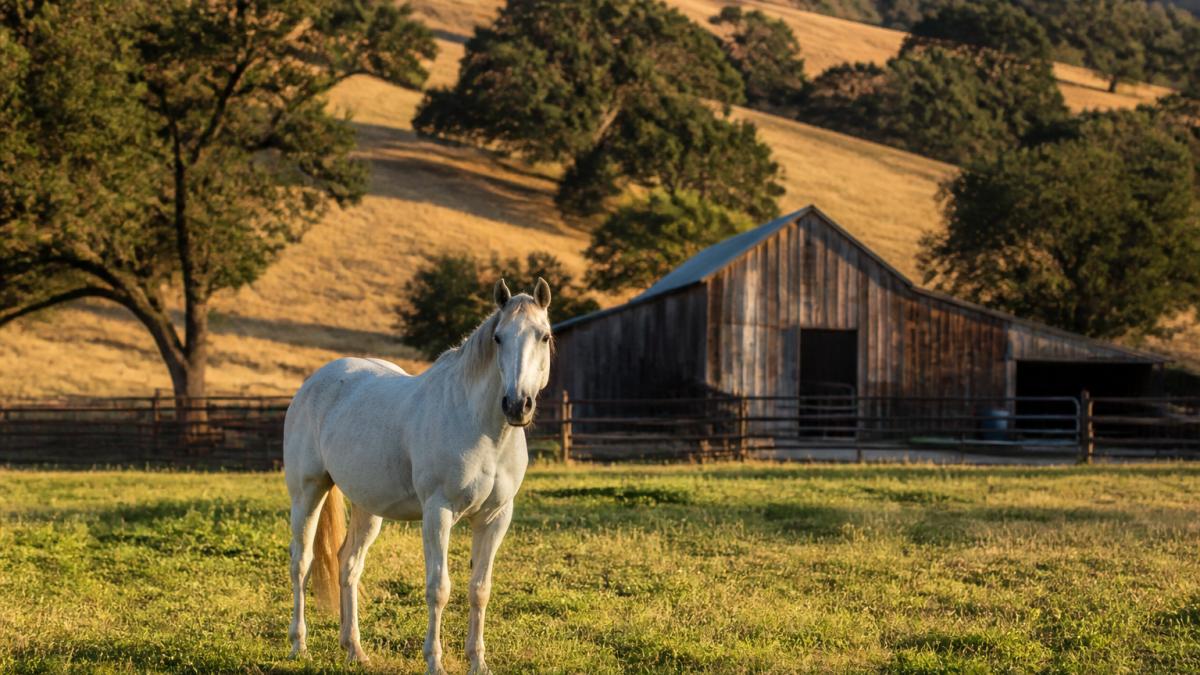
The best neighborhoods for horse owners in Burbank aren’t all created equal. Rancho stands out because it was designed with equestrian living in mind.
What makes Rancho different comes down to property size and neighborhood character. Homes sit on larger lots with established barn structures already in place. The neighborhood has a rural feel despite being minutes from Burbank’s urban core. Residents here understand horses aren’t a novelty, they’re part of the lifestyle.
The pattern is clear. People move here specifically for equestrian living. They’re not compromising on location to get horses; they’re choosing a neighborhood where both the property and community support that choice. That makes a real difference when you’re evaluating neighborhoods for horse owners in Burbank.
Rancho properties with existing barns and turnout areas sell faster and command stronger buyer interest. If you’re selling, highlight these equestrian features prominently, they’re your primary selling point in this market.
Burbank Horse Zoning and Property Requirements
Keeping horses on residential property in Burbank comes with specific rules. The city’s zoning code permits horses on properties of sufficient size, but “sufficient” has a definition. Understanding these requirements before you buy or build prevents costly mistakes down the road.
Residential properties in Burbank can accommodate horses when the lot meets minimum acreage thresholds. The exact requirements depend on which zone your property falls into. Some zones allow horses more freely; others require conditional use permits or variance approvals from the city.
The practical takeaway: verify zoning before making an offer. A property might have a barn and look perfect for horses, but zoning could prevent legal horse keeping. We recommend having a real estate attorney review the zoning designation and any existing conditions on the property.
Property maintenance standards also matter. Burbank requires that horse facilities meet health and safety codes. Barns must be maintained, turnout areas must be properly managed, and waste disposal must follow municipal standards. These aren’t obstacles for serious horse owners, they’re baseline expectations.
Burbank Horse Property for Sale: What to Expect
Finding horse property for sale in Burbank requires patience and local knowledge. Equestrian properties don’t sit on the market like standard homes. Buyers actively seeking this niche are fewer, but they’re serious and willing to pay premium prices for the right property.
Burbank horse property typically includes these features: larger lots (often one acre or more), existing barn structures, fencing or turnout areas, and road access suitable for horse trailers. Properties without these features can still work, but you’ll be building rather than moving in ready-made. That adds significant cost and timeline complexity.
Pricing reflects the specialized nature of the market. Horse properties command premiums because the buyer pool is smaller but highly motivated. A property with a well-maintained barn, good fencing, and established turnout areas will attract serious equestrian buyers quickly.
The best neighborhoods for horse owners in Burbank tend to cluster in areas where property sizes naturally support equestrian use. Rancho leads this list, but neighboring areas like portions of Studio City and Sherman Oaks also have viable horse properties.
A “horse property” listing doesn’t guarantee legal horse keeping. Always verify zoning permits horses before closing. A property can have a barn but be zoned against equestrian use, a costly discovery after purchase.
Comparing Neighborhoods: Rancho, Sherman Oaks, and Beyond
Rancho: The Heart of Equestrian Living
Rancho is the gold standard for horse owners in Burbank. Properties here typically sit on larger lots with established equestrian infrastructure. Barns, turnout areas, and riding space come standard rather than as special features.
The neighborhood’s appeal runs deeper than just property features. Rancho has an equestrian community identity. Neighbors understand horse keeping. Local services cater to horse owners, feed suppliers, farriers, and veterinarians are familiar with the area’s equestrian population. That community support matters when you’re managing horses long-term.
Rancho properties tend to be more expensive, but the premium reflects genuine value for horse owners. You’re not just buying land; you’re buying into an established equestrian neighborhood. Resale potential stays strong because the buyer pool of serious horse owners recognizes Rancho’s advantages. If you’re committed to horse ownership, Rancho is worth the premium.
Sherman Oaks: Access and Community
Sherman Oaks offers a different value proposition. Properties here can accommodate horses, but the neighborhood wasn’t originally designed for equestrian use. That means more variability in what you’ll find, some properties work beautifully for horses; others require significant investment to become suitable.
The advantage of Sherman Oaks is proximity to trail access. The neighborhood’s location provides easier access to riding routes and trail systems compared to some other Burbank areas. For horse owners who prioritize trail riding over on-property facilities, Sherman Oaks can be compelling.
Property costs in Sherman Oaks typically run lower than Rancho, making it attractive for buyers with smaller budgets. But factor in potential barn improvements or fencing work. A cheaper property that needs structural investment might not save money overall. Evaluate total cost, not just purchase price.
Studio City: Proximity and Trail Access
Studio City sits at the intersection of urban convenience and equestrian possibility. Some properties here can legally accommodate horses, though the neighborhood’s character is less uniformly equestrian than Rancho.
The neighborhood’s real strength is trail access. Studio City’s location provides direct access to riding routes and nearby trail systems. For horse owners who want property with horses but prioritize trail riding, Studio City’s positioning is valuable. You get reasonable property sizes and strong trail connectivity.
Like Sherman Oaks, Studio City properties often cost less than Rancho equivalents. The trade-off is less established equestrian community infrastructure. You’ll have fewer neighbors with horses and less concentrated local knowledge about horse keeping. That’s fine if you’re experienced with horses; it’s a disadvantage if you’re new to horse ownership.
| Neighborhood | Best For | Property Size | Trail Access | Community Support | Typical Features |
|---|---|---|---|---|---|
| Rancho | Dedicated horse owners | 1+ acres | Good | Strong | Established barns, turnout areas |
| Sherman Oaks | Budget-conscious buyers | 0.75-1.5 acres | Excellent | Moderate | Variable, some improvements needed |
| Studio City | Trail-focused riders | 0.75-1.25 acres | Excellent | Moderate | Adequate, some upgrades common |
Buying a Horse Property in Burbank: Key Considerations
Purchasing horse property requires different due diligence than standard residential real estate. You’re evaluating not just the house but the entire equestrian infrastructure.
Start with the barn and facilities. Walk through the structure carefully. Look for structural soundness, adequate ventilation, stall conditions, and water access. A beautiful barn with poor ventilation becomes a liability.
Fencing and turnout areas matter as much as the barn. Horses need safe, secure enclosures. Fencing should be appropriate for horses (not cattle fencing) and in good repair. Turnout areas should provide adequate space and be free of hazards.
Evaluate veterinary and farrier access. Can your preferred veterinarian reach the property easily? Are farriers available in the area? These services are essential for horse health. A property in an area with limited equestrian services creates ongoing inconvenience and cost.
Check zoning one more time before closing. Have an attorney review the specific zoning designation and any conditions attached to the property. Confirm that horses are legally permitted and understand any restrictions on herd size or facility improvements.
The best neighborhoods for horse owners in Burbank combine three elements: appropriate zoning that permits horses, adequate property size and infrastructure, and proximity to community resources and trail access. Rancho delivers all three, but Sherman Oaks and Studio City work well for specific buyer profiles.
Horse Trails, Bridges, and Riding Routes
Trail access makes or breaks the horse ownership experience for many riders. Burbank’s location offers surprising trail connectivity, but some neighborhoods provide better access than others.
The LA River corridor provides riding opportunities and trail routes. Access varies by neighborhood and specific location, but many Burbank properties have reasonable proximity to rideable areas. Rancho’s location provides solid access to regional trail systems. Sherman Oaks and Studio City offer even more direct connectivity to established riding routes.
Local bridges and crossings matter for trail riding. Knowing where you can safely cross the LA River and access trail systems on both sides determines your actual riding range. This is the kind of neighborhood-specific knowledge that local real estate expertise provides.
Seasonal trail conditions affect usability. Winter rains can close some routes temporarily. Summer heat may limit comfortable riding times. Understanding these seasonal patterns helps you plan your horse ownership realistically. Properties with multiple trail options provide flexibility when some routes become temporarily inaccessible.
Boarding and Stables for Horse Owners Without Property
Not every horse owner needs to keep horses on their property. Some prefer boarding at established facilities, which eliminates property management responsibilities and provides professional care infrastructure.
Boarding options exist throughout the greater area, though availability fluctuates. Some facilities focus on boarding; others are primarily training centers that offer boarding as a secondary service. Quality and pricing vary significantly. Visiting facilities in person is essential, you’re evaluating care standards, facility maintenance, and whether the environment suits your horse’s needs.
Boarding provides advantages for owners without property. You avoid barn maintenance, fencing repairs, and facility management. Professional staff handle daily care. Facilities often provide riding arenas, training resources, and community. For some owners, these benefits outweigh the cost of boarding.
The trade-off is less control and less privacy. Your horse lives in someone else’s facility under their management protocols. Some owners find this limiting; others appreciate the reduced responsibility. This is a personal decision, not a property decision.
Making Your Decision: Finding the Right Fit
Choosing the best neighborhoods for horse owners in Burbank comes down to your specific priorities and constraints. Rancho is the obvious choice if you want an established equestrian community and can afford the premium.
Start by clarifying what matters most to you. Do you want on-property horse keeping, or would boarding work? Is trail access your priority, or do you prefer a neighborhood with strong equestrian community? What’s your budget?
These answers guide your neighborhood choice. A buyer who prioritizes trail riding over community might prefer Studio City’s connectivity. A buyer new to horse ownership benefits from Rancho’s established equestrian infrastructure.
Verify zoning and facilities before making an offer. Get a pre-purchase inspection from someone who understands horse property requirements. Consult with an attorney about any zoning conditions or restrictions. These steps prevent expensive mistakes.
At Will Flannigan Real Estate, we work with horse owners regularly. We understand what makes a property suitable for equestrian living and how to evaluate neighborhoods through that lens.
Finding the right neighborhood for horse ownership requires local expertise and understanding of equestrian-specific property requirements. Will Flannigan Real Estate brings both, nearly 20 years in the Burbank Rancho community, a background in real estate law, and direct experience helping horse owners navigate property decisions.
Frequently Asked Questions
Can you keep horses on residential property in Burbank?
Yes, you can keep horses on residential property in Burbank, but it depends on zoning and lot size. The Rancho neighborhood and certain areas of Sherman Oaks and Studio City permit equestrian use. You’ll typically need at least one acre per horse, though specific requirements vary by neighborhood. Check with the City of Burbank Planning Department to confirm zoning for your specific property before purchasing.
What should I look for when buying a horse property in Burbank?
When buying a horse property in Burbank, prioritize lot size (minimum one acre), zoning clearance for equestrian use, existing barn or stable structures, turnout area quality, and proximity to trails. Verify water access, fencing condition, and whether the property has appropriate stall amenities. Also confirm HOA restrictions don’t prohibit horse keeping, and evaluate your distance to riding trails and community facilities.
Are there horse trails near Burbank for riding?
Yes, several riding routes and trails are accessible from Burbank neighborhoods. The LA River corridor and nearby hiking trails offer riding opportunities, particularly from Rancho, Sherman Oaks, and Studio City. Access varies by neighborhood and property location. Some properties have direct trail access, while others require a short ride to reach established routes. Local equestrian communities often share information about maintained trails and safe riding routes.
How much land do you need for horses in Burbank?
Most Burbank neighborhoods require at least one acre per horse for residential keeping. Some areas may allow smaller lots if boarding facilities or stables are present. Turnout area size, water access, and fencing also factor into whether a property is suitable. Verify specific acreage requirements with the City of Burbank, as zoning rules can differ between neighborhoods like Rancho and Sherman Oaks.