
Table of Contents
- Why Luxury Home Appraisals Are Different
- The Comparable Sales Problem in Luxury Home Appraisal
- What to Do When You Get a Low Appraisal on a Luxury Home
- Appraisal Gap Strategies for Buyers
- How Property Uniqueness Affects Luxury Home Valuation
- Selecting a Qualified Appraiser for Luxury Homes
- Luxury Home Appraisal Checklist for Buyers
- Reducing Appraisal Risk Before You Make an Offer
- Frequently Asked Questions
Last Updated: October 12, 2026
Why Luxury Home Appraisals Are Different
Luxury home appraisals follow different rules than standard residential appraisals because luxury properties are one-of-a-kind, with custom features and a smaller buyer pool.
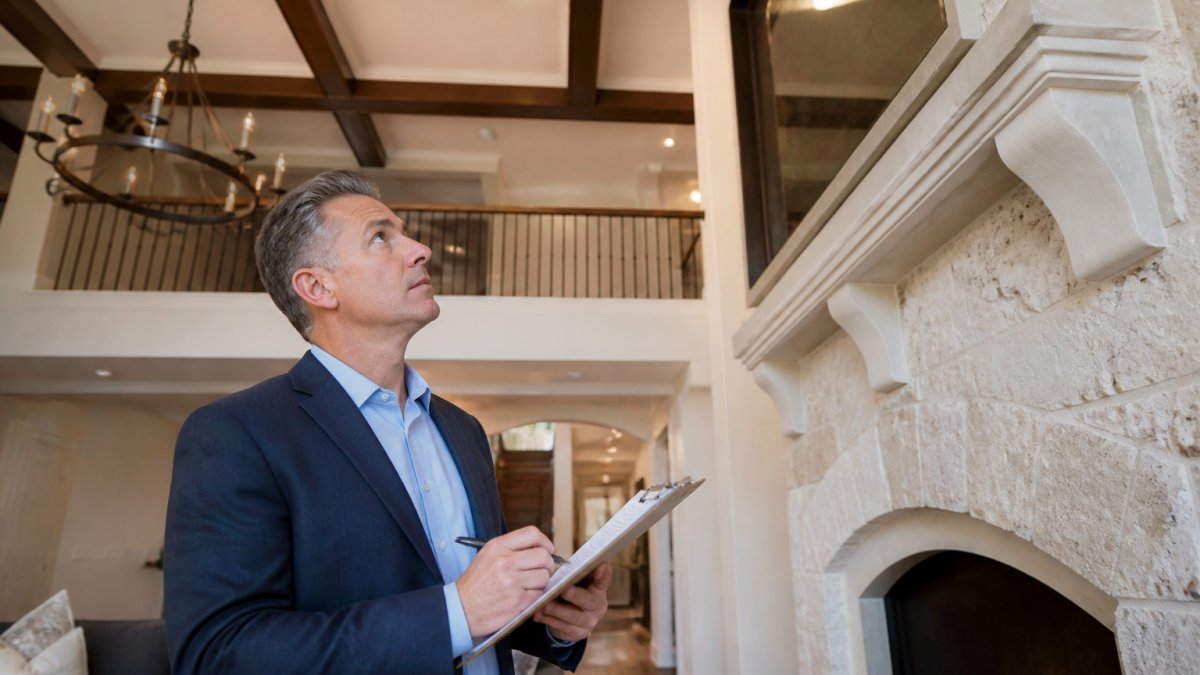
A standard home yields dozens of comparable sales from the past six months; a luxury home often has only three or four.
That scarcity forces bigger adjustments, introducing uncertainty that can lead to a valuation below your negotiated purchase price.
Key differences that affect your valuation:
- Limited comparable sales data, Fewer recent transactions mean less market evidence
- Subjective feature valuation, Custom elements are harder to price than standard upgrades
- Specialized appraiser requirements, Not all appraisers have luxury property experience
The appraiser’s job becomes more art than science, requiring deep knowledge of your market and experience adjusting for features with no direct comparison.
The Comparable Sales Problem in Luxury Home Appraisal
The comparable sales problem is the core issue in luxury home appraisal challenges: without enough recent sales of similar properties, the appraiser makes educated guesses that often undervalue what makes your property special.
Limited Transaction History
Luxury properties sell less frequently than standard homes. Los Angeles County may see dozens of mainstream sales monthly, but properties with specialized features have a thin transaction history.
The appraiser may work with sales from six, nine, or even twelve months ago, old data can miss current market conditions and shifting buyer preferences.
The problem worsens in specific neighborhoods: San Marino has fewer annual sales than Burbank, and Hollywood Hills estates move even slower.
What this means for your appraisal:
- Appraisers may use properties from neighborhoods you don’t consider comparable
- They may adjust heavily for location differences, which can lower your value estimate
- Older sales data can understate current market strength
Finding Properties That Truly Match
A true comparable sale shares three things with your property: location, condition, and features.
Say you’re buying a custom modern home in Studio City with smart-home technology, a resort-style pool, and architectural significance.
Each compromise introduces adjustment factors, a Sherman Oaks comp adjusted down for location, an eight-month-old sale adjusted for appreciation.
Custom architecture and specialized amenities add further challenges.
What to Do When You Get a Low Appraisal on a Luxury Home
A low appraisal on a luxury home isn’t the end of the negotiation, it’s the beginning of a new one. The key is understanding what evidence matters and how to present it.
Review the Appraisal Report Carefully
Before reacting, read the entire appraisal report, most buyers skim it. Know which comparable sales the appraiser used, what adjustments they made, and why.
Look for these specific details:
- The comparable properties used, Are they truly comparable? Are they in similar neighborhoods? Were they sold recently?
- Adjustment factors, Did the appraiser adjust for location, condition, or features? By how much?
- The appraiser’s reasoning, Did they explain why they chose certain comparables over others?
Common mistakes in appraisal reports include:
- Using properties from significantly different neighborhoods
- Failing to account for recent renovations or upgrades
- Undervaluing specialized amenities like smart-home systems or custom pools
If you spot errors, document them. These become the foundation for your reconsideration request.
Gather Supporting Documentation
An appraiser’s estimate is just an estimate. Your job is to provide better data supporting a higher valuation.
Documentation that carries weight:
- Recent appraisals of similar properties in your neighborhood
- Recent sales of comparable properties (even if they’re not perfect matches)
- Documentation of recent renovations or upgrades with receipts
This documentation supports your reconsideration request and strengthens your negotiating position with the buyer or lender.
Request a Reconsideration of Value
Once you’ve reviewed the report and gathered documentation, submit a formal reconsideration request asking the appraiser to review their work and reconsider their valuation.
Your reconsideration should:
- Identify specific errors or omissions in the original appraisal
- Provide better comparable sales data if available
- Document features or improvements the appraiser missed or undervalued
A well-prepared reconsideration request often results in a higher appraisal. Appraisers are professionals, when presented with solid evidence of an error or omission, many will adjust.
Not all reconsideration requests succeed. If the appraiser stands by their valuation, you move to your next options.
Appraisal Gap Strategies for Buyers
An appraisal gap occurs when the appraised value falls below the purchase price. Since most lenders won’t finance the full price, buyers have three main strategies.
Negotiate the Purchase Price Down
The simplest solution is renegotiating the purchase price with the seller, using the appraisal as evidence: “The property appraised at $X. I’m willing to pay $Y, but I can’t justify paying more than the appraised value.”
This works best when:
- The market is balanced or favors buyers
- The seller is motivated to close the deal
- You have other offers or negotiating use
In a competitive market, sellers may have other buyers waiting and are less likely to renegotiate, but it’s worth asking.
Cover the Gap with Additional Funds
You can also close the gap with more cash. If the home appraised at $2M but you agreed to pay $2.1M, you cover the difference at closing.
This strategy works if:
- You have liquid funds available
- The appraisal gap is manageable (under 10% of purchase price)
- You’re confident the property is worth the full price you negotiated
The risk is obvious: you’re paying more than appraised value, so a market decline or quick sale could mean a loss.
Work with Your Lender on Options
Some lenders offer programs that help buyers bridge appraisal gaps. Ask your lender about:
- Appraisal appeals, Some lenders will order a second appraisal if you believe the first was wrong
- Increased down payment, Putting down more cash reduces the lender’s risk and may allow financing despite the gap
- Alternative loan programs, Some loan types have more flexibility with appraisal gaps
Your lender wants the deal to close and has incentive to work with you. Have the conversation early, don’t wait until days before closing.
How Property Uniqueness Affects Luxury Home Valuation
The more unique a property, the harder it is to value, the central tension in luxury home appraisal challenges. Uniqueness makes a luxury property desirable, but also hard to appraise.
Custom Architecture and Design
A home designed by a renowned architect or built with architectural significance carries value beyond its physical features. But how much? The appraiser must estimate.
Custom architecture might include:
- Unique structural design or innovative layouts
- High-end materials and finishes not commonly used
- Built-in art or sculptural elements
These features have no direct market comparables, so the appraiser must judge what they’re worth to the buyer pool.
This is where appraiser experience matters most: one familiar with architectural luxury properties in Pasadena or San Marino understands the market value of design, while one without that experience may undervalue these elements.
Specialized Amenities and Smart-Home Technology
Luxury buyers expect modern amenities. Smart-home systems, resort-style pools, wine cellars, home theaters, and advanced security systems are standard in high-end properties.
But these amenities are expensive to build and cheaper to remove than to add.
Appraisers typically use a cost approach: estimate what it would cost to build or install the feature, then apply a depreciation factor.
Privacy, Views, and Location Prestige
Some of the most valuable features of a luxury property are intangible. Privacy. Views. Proximity to cultural institutions. Neighborhood prestige.
These factors drive buyer behavior, but they’re subjective, two appraisers might value privacy differently, one seeing a secluded lot as desirable and another as isolated.
Location prestige is similarly subjective. Strong recent sales support a high value; sparse sales leave less evidence.
Selecting a Qualified Appraiser for Luxury Homes
Not all appraisers are qualified to value luxury properties. Selecting the right one before the appraisal is one of the best ways to avoid a low valuation.
A qualified appraiser for luxury homes should have:
- Specific experience with luxury properties, They’ve appraised dozens of high-value homes, not just a few
- Local market knowledge, They understand the specific neighborhoods where you’re buying
- Professional designations, Look for MAI (Member, Appraisal Institute) or similar credentials indicating advanced training (Appraisal Institute Who We Are and What We Stand For)
Lenders typically order the appraisal, but you can request a specific appraiser and provide property information before the visit.
Briefing the appraiser is crucial. Provide:
- Documentation of recent renovations or upgrades
- Information about custom features and their cost
- Comparable sales you’ve researched
This isn’t about influencing the appraisal. It’s about ensuring the appraiser has complete information.
Luxury Home Appraisal Checklist for Buyers
Use this checklist before you make an offer to understand appraisal risk and prepare for potential challenges.
| Task | Purpose | Timeline |
|---|---|---|
| Research recent comparable sales in the neighborhood | Understand market value range | Before making offer |
| Identify unique features and custom elements | Know what needs to be documented | Before making offer |
| Gather documentation of recent renovations | Prepare evidence for appraisal | Before appraisal |
| Request a qualified luxury appraiser | Ensure experience and local knowledge | At loan application |
| Brief the appraiser on property features | Provide complete information | Before appraisal visit |
| Review the appraisal report thoroughly | Identify errors or omissions | Within 24 hours of receipt |
| Prepare reconsideration request if needed | Have evidence ready | If appraisal is low |
| Discuss appraisal gap options with lender | Understand your choices | Immediately after appraisal |
Reducing Appraisal Risk Before You Make an Offer
The best time to address appraisal risk is before you make an offer, when you have the most control.
Steps to reduce appraisal risk:
- Research the neighborhood market, Understand recent sales, price trends, and market conditions. If comparable sales are scarce, you already know appraisal risk is higher.
- Identify properties with strong comparable sales, Homes that recently sold or are similar to recent sales have lower appraisal risk. Unique properties with no recent comparables have higher risk.
- Understand the property’s unique features, Custom architecture, specialized amenities, and other unique elements increase appraisal complexity. Factor this into your offer price.
The goal is an informed offer: you understand the property, the appraisal risk, and have planned for potential outcomes.
This is where an experienced real estate advisor makes a real difference. Someone who knows Burbank, Glendale, Pasadena, and the other neighborhoods where luxury properties appreciate can help you navigate appraisal risk before it becomes a problem.
Will Flannigan Real Estate works with buyers through this entire process, helping you understand market value, make informed offers, and address any appraisal challenge with confidence and evidence.
Frequently Asked Questions
What should a buyer do if a luxury home appraisal comes in low?
Start by requesting a copy of the full appraisal report and reviewing it for errors in property description or comparable sales selection. Document any inaccuracies with photos and recent market data. Contact your lender about a reconsideration of value request, which allows you to submit additional evidence the appraiser may have missed. If the gap is significant, you have three main options: renegotiate the purchase price with the seller, bring additional funds to close, or explore alternative financing. Working with an experienced agent familiar with luxury home appraisal challenges can help you decide which path fits your situation.
What is the primary challenge in finding comparable sales for luxury home appraisals?
Luxury properties sell infrequently, and each one is often uniquely designed with custom features, specialized amenities, and distinctive locations. An appraiser may struggle to find recent sales of homes that truly match yours in architecture, quality of materials, construction details, and market position. This scarcity of comparable properties means appraisers must make larger adjustments for differences, which increases valuation uncertainty. Properties with limited sales data and unique features require appraisers with specific expertise in high-value properties to assess market value accurately.
How can buyers reduce appraisal risk before making an offer?
Research recent sales of comparable properties in your market area to understand realistic market value. Request that your agent provide the appraiser with detailed information about the property’s custom features, quality of construction, and any recent upgrades before the appraisal begins. Include construction documents or architect plans if available. Get a pre-appraisal inspection to identify any condition issues that might surprise the appraiser. Work with your lender to select a qualified appraiser with experience valuing luxury homes in your area. Finally, build flexibility into your offer terms, avoid all-cash offers contingent on appraisal without room to negotiate if the appraised value comes in lower than expected.
Can a buyer challenge or appeal a home appraisal?
Yes. If you believe the appraised value is incorrect, you can request a reconsideration of value from the appraiser. Submit a written request with specific evidence: comparable sales the appraiser missed, documentation of recent upgrades, photos of custom features, or market analysis showing recent price trends. Your lender may also allow a second appraisal, though this involves additional cost. Some lenders have an appraisal review process. While you cannot force an appraiser to change their opinion, providing well-documented evidence of market conditions or property features they overlooked gives you the strongest case for a value adjustment.
The luxury home appraisal process is complex. But understanding the challenges gives you power. You can prepare. You can gather evidence. You can make informed decisions about your purchase.
If you’re buying a luxury home in Greater Los Angeles and want guidance on appraisal risk, market value, and negotiation strategy, reach out to Will Flannigan Real Estate. What’s My Home Worth? Let’s talk about your specific situation and help you move forward with confidence.