
Last Updated: October 22, 2026
Quick Summary
Selling a house in probate requires obtaining court approval before listing the property, getting a licensed appraisal to establish fair market value, and filing a petition with the court that includes serving notice to all heirs. The process typically takes 6-12 months and involves multiple court hearings to confirm the sale is fair before closing can occur.
- Obtain letters testamentary or letters of administration proving your authority to sell before taking any action
- Order a probate property appraisal early, as it takes 1-2 weeks and is required for your court petition
- File a petition to sell with the court and serve notice to all heirs, who have the right to object or propose competing offers
- List the property at or above the appraised value to avoid court objections or demands for a new appraisal
- Expect the entire process from opening probate to closing to take 6-12 months depending on court calendar and circumstances
Table of Contents
- Understanding Probate and Your Authority to Sell
- The California Probate Real Estate Sale Process
- Getting a Probate Property Appraisal and Setting the Initial Price
- Obtaining Probate Court Confirmation for Your Sale
- Listing, Marketing, and Receiving Offers on the Property
- How Long Does a Probate House Sale Take
- Your Probate Property Sale Checklist and Closing Steps
- Common Mistakes to Avoid When Selling a Probate House
- Frequently Asked Questions
Understanding Probate and Your Authority to Sell
Probate is the legal process that validates a will and authorizes the executor or administrator to manage and distribute an estate’s assets. When someone passes away, their property typically enters probate court unless it was held in a trust or has a named beneficiary (Guide to property after someone dies | California Courts).
The key question is: who has the legal authority to sell? In most cases, the executor named in the will or the administrator appointed by the court holds this power. However, that authority must be formally granted through court documents before any sale can move forward. This is where many people stumble.
I’ve guided families through this process since 2014. The difference between a smooth probate sale and a frustrating one often comes down to understanding these authority requirements upfront.
The California Probate Real Estate Sale Process
The California probate real estate sale process follows specific steps designed to protect heirs and creditors. Unlike a standard home sale, probate sales require court involvement at multiple points.
Here’s the general flow:
- File the probate petition with the court to open the estate and request appointment of an executor or administrator
- Obtain letters testamentary or letters of administration, these court documents prove your authority
- Get a probate property appraisal to establish fair market value
- File a petition to sell with the court, including the appraisal
- Receive court confirmation of the sale before closing
- Market and list the property once you have court approval
- Accept an offer and schedule closing
Each step has specific timing and documentation requirements. The court wants to ensure the property sells at fair market value and that the process is transparent. This protects the estate and gives heirs confidence that the sale was handled properly.
One common mistake is trying to list before obtaining court approval. Buyers and their lenders will not move forward if the sale lacks probate confirmation. You need the court’s blessing before marketing seriously.
Getting a Probate Property Appraisal and Setting the Initial Price
Before you can petition the court to sell, you need a probate property appraisal. This establishes the fair market value of the home at the time of death or the time of sale.
Here’s what you need to know about the appraisal:
- Order it early, this is not something to delay. The appraisal takes 1-2 weeks and is required for your court petition
- Use a licensed appraiser, not a real estate agent’s comparative market analysis (CMA). The court requires a formal appraisal
- The appraisal becomes public record, it will be filed with the court, so everyone knows the appraised value
- Set your listing price at or above the appraised value, pricing below it can trigger court objections or require a new hearing
Many families ask: should we list higher than the appraisal? The answer is yes, but with caution.
The practical approach is to list at the appraised value or slightly above it, then let the market respond. If the property receives multiple offers above the appraisal, the court is more likely to approve the sale quickly.
Obtaining Probate Court Confirmation for Your Sale
Probate court confirmation is the approval the court gives to your sale. Without it, the transaction cannot close. This is not a formality, it’s a legal requirement that protects everyone.
Here’s how the confirmation process works:
- File a petition to sell with the court. This includes the property address, the appraised value, the buyer’s offer price, and your proposed terms
- Serve notice to all heirs and interested parties. They have the right to object or propose competing offers
- Attend a court hearing (or have your attorney attend). The judge reviews the sale terms and decides whether they are fair
- Receive a court order approving the sale. Only then can you move to closing
The timeline for court confirmation typically takes 4-8 weeks, depending on the court’s calendar and whether any heirs object. If heirs object or propose a higher offer, the court may require an auction or additional hearings.
This is where working with someone experienced in probate sales matters. The petition must be filed correctly, the notice must reach all parties, and the sale terms must be presented clearly to the judge.
Listing, Marketing, and Receiving Offers on the Property
Once you have court approval to sell, you can list the property. However, probate listings require specific disclosures and marketing strategies.
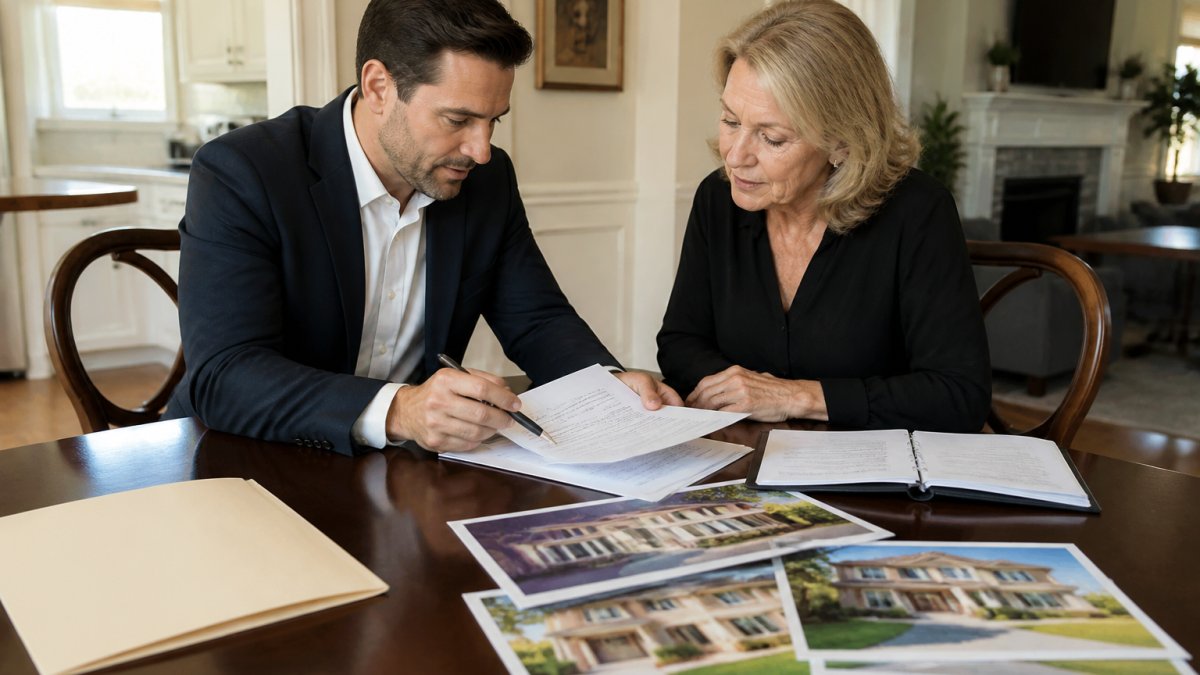
Key steps for listing and marketing:
- Disclose the probate status, buyers and their lenders need to know this is a probate sale. It affects financing and closing timelines
- Price competitively, probate properties sometimes sell for less because buyers factor in the longer closing timeline and court involvement
- Highlight the property condition, if the home is occupied or vacant, if it needs repairs, or if it’s in excellent condition, these details matter
- Use targeted marketing, investors and cash buyers often seek probate properties. Reaching these buyers can speed the sale
- Accept written offers only, verbal agreements do not work in probate. All offers must be in writing and submitted formally
When you receive an offer, you do not have the freedom to negotiate and accept it immediately like you would in a standard sale. The offer must be presented to the court for approval.
This process protects the estate but also means the sale takes longer. Buyers understand this, and many are prepared for it. The key is being transparent about timelines and requirements upfront.
How Long Does a Probate House Sale Take
How long does a probate house sale take? The answer depends on several factors: court calendar, whether heirs object, the property condition, and market demand. Most probate sales take 6-12 months from start to finish.
Here’s a realistic timeline:
| Phase | Timeline | Notes |
|---|---|---|
| Open probate and get appointment | 4-8 weeks | Court processes petition and appoints executor |
| Order appraisal and prepare petition | 2-3 weeks | Appraisal takes 1-2 weeks; petition filing takes 1 week |
| File petition to sell and serve notice | 2-4 weeks | Court calendar and notice requirements |
| Court hearing and confirmation | 4-8 weeks | Judge approves the sale |
| List and market property | 2-8 weeks | Depends on market demand and property condition |
| Receive and accept offer | 1-4 weeks | Offer presentation and court approval |
| Closing | 2-4 weeks | Title clearance, final inspection, recording |
| Total | 6-12 months | Varies by court and circumstances |
Several factors can extend this timeline:
- Court delays, if the court calendar is backed up, hearings may take longer
- Heirs objecting, if beneficiaries disagree with the sale, the court may require additional hearings or an auction
- Property issues, if repairs are needed or title problems arise, closing delays
- Financing issues, buyers’ lenders may require additional documentation for probate sales
The best way to stay on schedule is to prepare documents thoroughly, serve notice correctly, and respond quickly to court requests. Delays often stem from incomplete paperwork or missed deadlines.
Your Probate Property Sale Checklist and Closing Steps
A probate property sale checklist keeps you organized and ensures nothing falls through the cracks. Here’s what you need to track:
Before listing:
- Probate petition filed and executor/administrator appointed
- Letters testamentary or letters of administration obtained
- Property appraised by licensed appraiser
- Petition to sell filed with court
- Notice served to all heirs and interested parties
- Court hearing completed and sale approved
- Title search ordered to identify liens or issues
During marketing and offer stage:
- Property listed with probate disclosure
- Property inspected and any defects disclosed
- Offers received in writing
- Offer presented to court for approval
- Court confirms sale terms
At closing:
- Final walkthrough completed
- Title cleared of all liens and encumbrances
- Deed prepared and signed by executor
- Closing statement prepared showing all costs and net proceeds
- Funds transferred to estate account
- Deed recorded with county recorder
- Final accounting filed with court (if required)
Closing steps specific to probate:
- Title clearance, all liens, mortgages, and estate debts must be paid from sale proceeds
- Executor signs the deed, the executor (not the heirs individually) transfers the property to the buyer
- Court confirmation of closing, some courts require notification that the sale has closed
- Final accounting, the executor may need to file a final accounting showing all receipts and disbursements
The closing process itself is similar to a standard sale, but the executor’s role is different. The executor acts on behalf of the estate, not as an individual seller. This distinction matters for liability and tax purposes.
Common Mistakes to Avoid When Selling a Probate House
Families often make preventable mistakes when selling a probate house. Here are the most common ones and how to avoid them:
Mistake 1: Listing before obtaining court approval
Many people assume they can list the property and worry about court approval later. This does not work. Buyers and lenders will not move forward without probate confirmation. Always get court approval first.
Mistake 4: Not disclosing the probate status
Buyers have a right to know the sale is subject to probate.
Mistake 6: Rushing to accept the first offer
It’s tempting to accept the first offer to get the process moving.
Mistake 7: Neglecting property maintenance during the sale
An empty or poorly maintained probate house deteriorates quickly.
The common thread in these mistakes is impatience or lack of knowledge about probate requirements.
Selling a house in probate is complex, but it does not have to be overwhelming.
Frequently Asked Questions
Who has authority to sell a house during probate?
The executor or personal representative named in the will has the authority to sell probate property. If there is no will, the probate court appoints an administrator. In California, this person must obtain court approval before selling the estate property. They act as a fiduciary, meaning they must act in the best interest of the beneficiaries and heirs, not their own. Before listing, confirm your letters testamentary or letters of administration are current and valid.
Does a probate house sale need court approval in California?
Yes. California probate law requires court confirmation of any estate property sale. You must file a petition to sell with the probate court, provide notice to all interested parties, and attend a court hearing. The judge must confirm that the sale price is fair and in the best interest of the estate. This step protects heirs and ensures the process follows state law. Without court approval, the sale cannot close and the title cannot transfer to the buyer.
What happens if a probate home sells for more than its appraised value?
If the sale price exceeds the probate appraisal, the court will review and confirm the higher amount. This is actually favorable to the estate and beneficiaries, as it increases the proceeds available after estate debts and expenses are paid. The appraised value is a floor, not a ceiling. Offers above the appraisal are common and welcome. You must disclose the higher offer to the court, and the judge will confirm the sale at the new price during the confirmation hearing.
What should an executor avoid when selling a probate property?
Do not accept an offer without court approval, even if it seems like a good deal. Do not fail to notify all heirs and beneficiaries of the sale process. Do not skip the property appraisal or use an inflated initial price. Do not neglect to maintain the property or disclose its condition to buyers. Do not commingle estate funds with personal accounts. Do not ignore court deadlines or filing requirements. Every step must follow California probate law and fiduciary duties. Mistakes can delay the sale, trigger legal disputes, or result in personal liability.