
Table of Contents
- Why a Pre-Listing Home Inspection Benefits Sellers
- 1. Foundation Cracks and Structural Integrity
- 2. Electrical Panel, Wiring, and GFCI Outlets
- 3. HVAC System, Carbon Monoxide Detector, and Smoke Alarm
- 4. Plumbing Leaks, Water Pressure, and Drainage
- 5. Roof Shingles, Flashing, and Moisture Intrusion
- Local Seismic Retrofitting Requirements for Sellers
- Negotiating Inspection Findings with Buyers
- Frequently Asked Questions
Last Updated: September 20, 2026
Why a Pre-Listing Home Inspection Benefits Sellers
A Los Angeles home inspection is a professional evaluation of your home’s condition completed before you put it on the market. It gives sellers advance knowledge of defects, time to make repairs, and use during negotiations.
This single step can reshape how a sale unfolds. The California Department of Real Estate transfer disclosure requirements require sellers to disclose known material defects, and a pre-listing inspection helps you meet that duty with confidence rather than guesswork. Below, we break down the top 5 Los Angeles home inspection checklist items for sellers, plus the local seismic and fire-safety issues most national guides skip entirely.
The five items we cover are the ones that most often stall a sale or trigger repair credits. Sellers who address them early keep more of their asking price.
1. Foundation Cracks and Structural Integrity
Structural integrity is the ability of a home’s foundation, walls, and framing to bear loads and resist movement without failing. In a region with active seismic activity, this is the first thing inspectors examine.
A common mistake is painting over hairline cracks before the inspection. Inspectors spot fresh paint in a crawl space immediately, and it raises questions about what’s underneath.
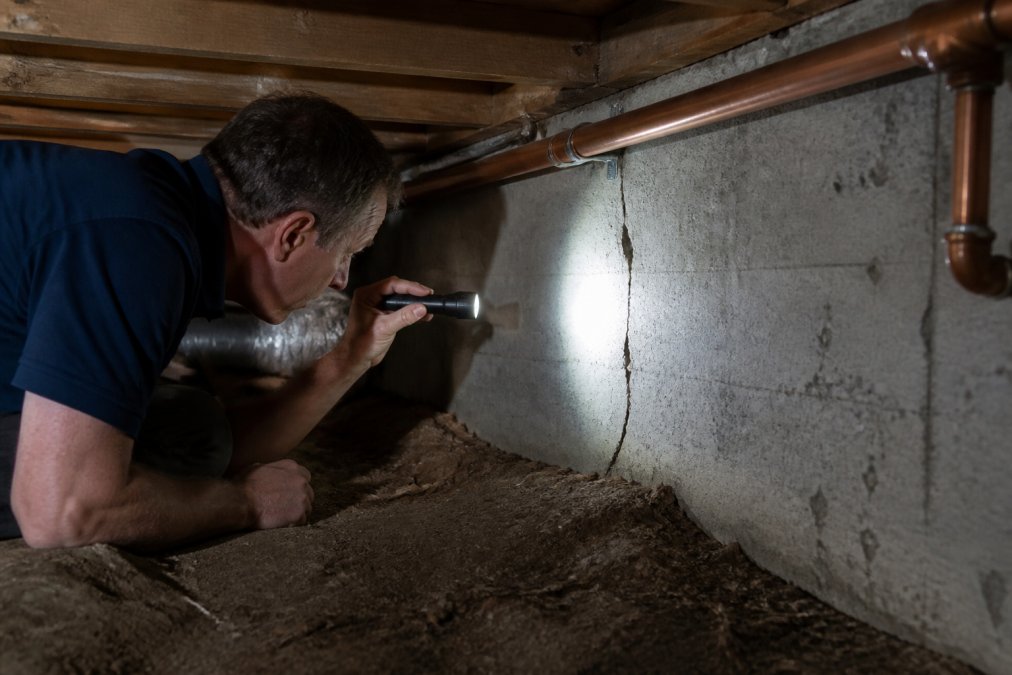
What to look for before listing:
- Horizontal cracks in stem walls, which often signal soil pressure
- Stair-step cracking in brick or block, which points to settlement
- Doors and windows that stick or won’t latch, a sign of shifting framing
- Uneven floors or sloping thresholds
The real difference between a cosmetic crack and a structural one comes down to direction and width. Vertical hairline cracks are usually cosmetic. Horizontal or widening cracks need a licensed foundation contractor’s opinion, not a patch.
Never fill foundation cracks with caulk or hydraulic cement to hide them from a buyer’s inspector. If the repair later fails, you’ve created a disclosure problem on top of a structural one.
2. Electrical Panel, Wiring, and GFCI Outlets
An electrical panel is the distribution point where power from the utility splits into individual circuits for the home. Inspectors check its capacity, breaker type, and labeling first.
Older homes often have panels with insufficient amperage for modern loads. Federal Pacific and Zinsco panels, common in mid-century construction, are frequently flagged for safety concerns. GFCI outlets, required in kitchens, bathrooms, garages, and outdoors, protect against shock by cutting power when they detect a ground fault.
What typically gets flagged:
- Missing or non-functioning GFCI outlets near water
- Double-tapped breakers, where two wires share one terminal
- Unlabeled circuits that make the panel hard to service
- Aluminum branch wiring in homes built in certain decades
Testing every GFCI takes minutes. Press the test button, confirm it trips, then reset. If it doesn’t trip, replace it before the inspection.
3. HVAC System, Carbon Monoxide Detector, and Smoke Alarm
A carbon monoxide detector is a device that sounds an alarm when it senses the colorless, odorless gas produced by incomplete combustion. Inspectors verify these and smoke alarms are present, placed correctly, and functional.
HVAC systems get checked for heating and cooling performance, age, and service history. A unit near the end of its useful life becomes a negotiation point, so gather maintenance records now.
Quick pre-inspection checks:
- Replace smoke alarm batteries and test every unit
- Confirm carbon monoxide detectors sit near sleeping areas and fuel-burning appliances
- Change HVAC filters so the system runs clean during inspection
- Note the manufacture date on the furnace and condenser
Ventilation matters too. Inspectors check attic and crawl space airflow, because poor ventilation traps moisture and shortens the life of roofing and framing.
4. Plumbing Leaks, Water Pressure, and Drainage
Plumbing leaks are the most common hidden defect in older homes. Inspectors trace supply lines, drain lines, and fixtures for active leaks, past water damage, and corrosion.
Water pressure gets tested at multiple fixtures. Low pressure across the whole house can point to a supply line problem. Low pressure at one fixture usually means a clogged aerator or failing valve.
Signs worth fixing before listing:
- Water stains on ceilings or under sinks
- Slow drains in kitchens and bathrooms
- A water heater past its expected service life
- Corroded supply lines or shutoff valves that won’t close
Exterior drainage deserves equal attention. Water that pools against the foundation finds its way inside. Grading, downspout extensions, and French drains all keep water moving away from the house.
Run every faucet and flush every toilet at the same time during your own walkthrough. Simultaneous use reveals pressure drops and drain backups that a single-fixture test misses.
5. Roof Shingles, Flashing, and Moisture Intrusion
Roof shingles are the outer layer that sheds water, while flashing is the metal material that seals joints around chimneys, vents, and valleys. Both fail with age, and both show up in inspection reports.
Moisture intrusion is the consequence when either fails. Inspectors look for stained attic sheathing, damp insulation, and dark streaks on ceilings. Thermal imaging can reveal hidden moisture without cutting into walls.
What inspectors evaluate:
- Curling, missing, or cracked shingles
- Rusted or lifted flashing
- Granule loss in gutters, a sign of aging shingles
- Attic insulation that’s compressed, damp, or thin
Window seals round out the moisture picture. Failed seals let water in around frames and fog double-pane glass. Replacing a few seals is far cheaper than repairing water damage later.
Local Seismic Retrofitting Requirements for Sellers
Seismic retrofitting is the process of strengthening a home’s structure so it withstands earthquake shaking. National inspection checklists almost never mention it, because most of the country doesn’t sit on active fault systems. In this market, it’s often the first thing a buyer’s inspector flags, and the first thing a prepared seller has already addressed.
The homes most at risk are those built before the late 1970s with raised foundations, cripple walls, or a sill plate that was never bolted to the concrete. A cripple wall is the short stud wall between the foundation and the first floor. When it isn’t braced, it can collapse sideways during shaking and drop the house off its foundation. That’s the failure mode retrofit work is designed to prevent. Securing these structural vulnerabilities remains a critical step when preparing your house for the competitive market conditions ahead.
Standard retrofit work typically includes:
- Bolting the sill plate to the foundation with anchor bolts and plate washers
- Bracing cripple walls with plywood sheathing and blocking
- Strapping the water heater to the wall with two metal straps
- Reinforcing or replacing inadequate foundation anchor points
Some jurisdictions require retrofit work at the point of sale, while others require only disclosure. Because the rules are set city by city and can change, confirm the specific requirements that apply to your property before you list, don’t assume a uniform standard across the region.
A completed retrofit is a selling point, not just a line item. Buyers ask about it directly, and having the work done, with permits and documentation, removes a major objection before it forms.
If you’re unsure whether your home has already been retrofitted, check for permit records, look for visible anchor bolts and plywood bracing in the crawl space, and ask a licensed foundation contractor for a written assessment. That report becomes a marketing asset you can hand to buyers.
Negotiating Inspection Findings with Buyers
Negotiating inspection findings is the process of responding to a buyer’s repair requests after their inspection. The seller’s goal is to protect the sale price without ignoring legitimate defects.
A pre-listing inspection changes this conversation entirely. You already know what’s wrong, you’ve priced it in, and you can respond from a position of preparation rather than surprise.
| Finding Type | Best Seller Response | Why It Works |
|---|---|---|
| Major structural or safety issue | Repair before listing or credit at closing | Removes buyer financing and insurance obstacles |
| Aging systems near end of life | Offer a home warranty or credit | Keeps cash in your pocket, gives buyer peace of mind |
| Cosmetic or minor items | Decline or offer small credit | Signals you won’t absorb every request |
| Undisclosed defect found by buyer | Negotiate in good faith | Protects you from disclosure liability |
Two approaches dominate. Repair first, then list, which produces a cleaner inspection and stronger offers. Or disclose and credit, which keeps your timeline short and lets the buyer choose their own contractor. The right call depends on your timeline and how much repair work the home needs.
That’s where experienced representation earns its keep. Will Flannigan Real Estate brings a former attorney’s eye to inspection negotiations, advising on a response.
Frequently Asked Questions
What are the most common inspection red flags for Los Angeles homes?
Foundation cracks, outdated electrical panels, HVAC issues, plumbing leaks, and roof damage top the list. In Los Angeles, seismic vulnerabilities like unbolted foundations and soft-story construction also raise red flags. Addressing these before listing can prevent deal-breakers and build buyer confidence.
Do I need to repair everything found on a home inspection report?
No, you are not required to fix every item. However, major safety hazards and structural issues often need attention to close the sale. You can negotiate credits or repairs with buyers. A pre-listing inspection helps you decide which items to fix versus disclose.
How do local seismic safety requirements impact home inspections?
Los Angeles requires retrofitting for certain older homes, especially those with soft-story or unbolted foundations. Inspectors check for these vulnerabilities. Sellers should verify compliance or disclose non-compliance. Completing retrofitting can make your home more attractive and reduce buyer concerns.
Should I perform a pre-listing inspection before putting my home on the market?
Yes, a pre-listing inspection gives you a clear picture of your home’s condition. It lets you fix issues proactively, avoid surprises during escrow, and negotiate from a stronger position. It also signals transparency to buyers, which can speed up the sale.
How do local housing market trends influence buyer inspection demands?
In a seller’s market, buyers may waive inspections to win bids, but in a balanced or buyer’s market, they often demand repairs. Los Angeles trends vary by neighborhood. Understanding current conditions helps you anticipate buyer requests and plan your pre-listing strategy.