
Last Updated: October 28, 2026
Quick Summary
The cost of probate real estate delays comes from carrying costs that keep billing every month a property sits in limbo: property taxes, vacancy insurance, utilities, maintenance, security, and HOA dues. Each extra month of delay adds these expenses to the estate’s ledger, and they come out of the heirs’ share.
- A transfer to heirs or a sale can trigger reassessment under Proposition 13, and a supplemental tax bill may follow closing.
- Letting insurance coverage lapse entirely is the single most expensive mistake we see during probate.
- Common delays include court backlog, creditor claims, heir disagreements, title defects, and missing documents.
- Order a title search early to catch defects before a buyer appears.
- Keep insurance active and confirm vacancy coverage in writing until title transfers.
Table of Contents
- Where the Cost of Probate Real Estate Delays Actually Comes From
- California Probate Real Estate Sale Timeline, Start to Finish
- Probate Home Carrying Costs That Keep Billing Every Month
- What Delays a Probate Home Sale in Los Angeles County
- A Worked Example: Two Burbank Estates, Two Outcomes
- Your Probate Real Estate Sale Checklist
- What’s My Home Worth? Get a Probate-Aware Valuation
- Frequently Asked Questions
Where the Cost of Probate Real Estate Delays Actually Comes From
The cost of probate real estate delays rarely shows up as one line item. It builds quietly, month after month, while a house sits in limbo. This can play out across Burbank, Glendale, Pasadena, and the rest of Los Angeles County.
Probate real estate is property that passes through court-supervised estate administration before title can transfer to heirs or a buyer. Until the court clears each step, the sale may be delayed.
Families may need to account for attorney fees, court costs, and carrying costs. Below, we discuss potential carrying costs and factors that can affect a timeline.
California Probate Real Estate Sale Timeline, Start to Finish
A California probate real estate sale timeline can vary. The property sale itself is one segment of a longer court process.
Here is how the stages stack up:
- Petition filed and hearing set. The executor or personal representative opens the estate.
- Letters issued. Authority to act is granted by the court.
- Inventory and appraisal. Estate property is valued and logged.
- Creditor claim window. Claims against the estate are filed and resolved.
- Sale and court confirmation. The property sale may require court approval.
- Distribution and title transfer. Heirs receive their share and the deed moves.
Each stage depends on the one before it. One slow step pushes everything back. For a fuller walkthrough of court milestones, see our guide on managing probate real estate timelines.
Probate Home Carrying Costs That Keep Billing Every Month
Probate home carrying costs are recurring expenses associated with a property during probate. They are one part of the cost of probate real estate delays.
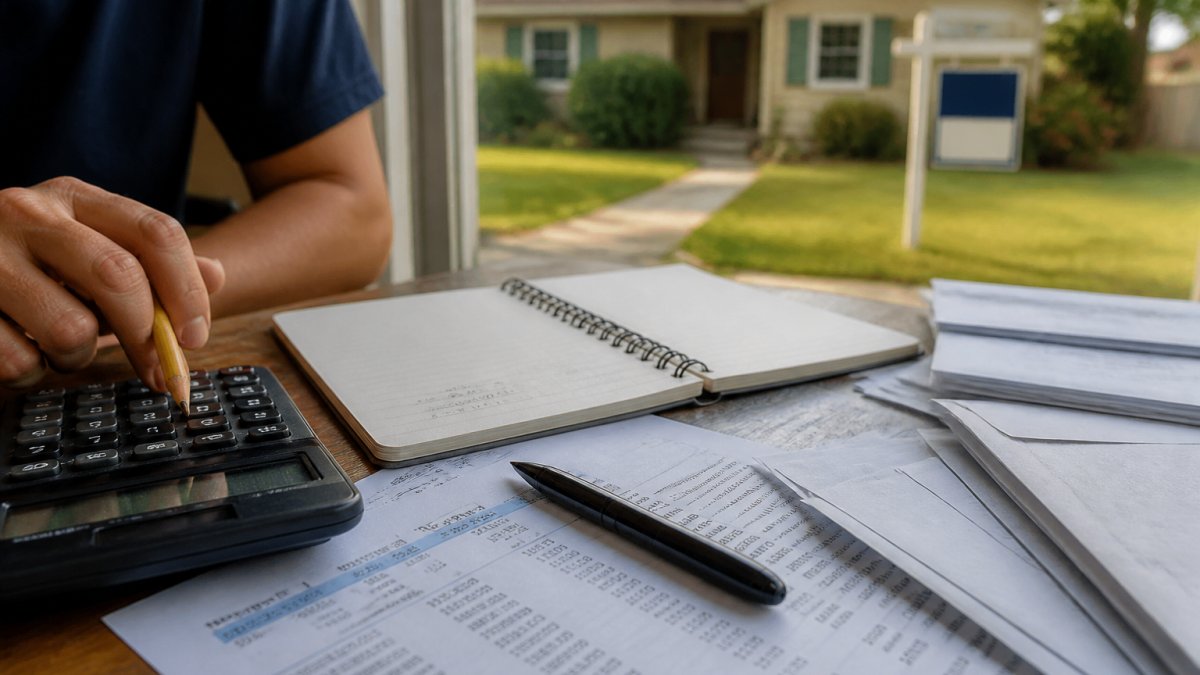
Carrying costs can be considered over the time an estate remains open. Add up the recurring bills and consider how long the estate may remain open to estimate the costs of the delay.
Property Taxes and the Reassessment Trap
Property taxes may remain due during probate.
Second, and more often missed: a transfer to heirs or a sale can trigger reassessment under Proposition 13. The county assessor may issue a supplemental tax bill reflecting the new assessed value, and that bill can land months after closing. Heirs who budget only for the ordinary tax bill get surprised. A title and tax search early in the process surfaces the base assessed value so the estate can plan for the supplemental bill instead of absorbing it blind.
Insurance on a Vacant Home
A common pattern is a policy that stays in force on paper but quietly excludes vandalism, water damage from a slow leak, or theft once the home is unoccupied. Letting coverage lapse entirely is the single most expensive mistake we see, because one uncovered event can wipe out the estate’s equity. Confirm vacancy coverage in writing and keep the policy active until title transfers.
Utilities, Maintenance, and Security
Budget for a monthly holding line that covers landscaping, pool service, a security or monitoring service, and a reserve for repairs. Treat it as a real estate expense of the estate, not an afterthought.
Turning Carrying Costs Into a Monthly Number
| Carrying Cost Line | What Drives It | Why It Grows With Delay |
|---|---|---|
| Property taxes | County installment schedule and assessed value | Penalties accrue; supplemental bills can follow transfer |
| Insurance | Vacancy status and wildfire exposure | Premiums rise; coverage limits tighten on vacant homes |
| Utilities | Security lighting, irrigation, climate control | Bills continue every month regardless of court progress |
| Maintenance and repairs | Age of systems, landscaping, pool | Small issues compound into larger ones |
| Security and monitoring | Vacancy risk | Theft and vandalism exposure rises the longer it sits |
| HOA dues | Association schedule | Dues and possible fines continue |
What Delays a Probate Home Sale in Los Angeles County
What delays a probate home sale is rarely one dramatic event. It is usually a cluster of small holdups that compound.
Common causes include:
- Court backlog and crowded hearing calendars
- Creditor claims that stay open longer than expected
- Heir disagreements over price, timing, or who gets what
- Title defects that surface only after a buyer is found
- Missing documents from the deceased’s records
- Market shifts that change what a buyer will pay
If your sale is already stalling, our step-by-step guide on how to sell probate property in California covers the process.
A Worked Example: Two Burbank Estates, Two Outcomes
The following is an illustrative comparison of how delay can affect the net result for heirs. The point is the mechanism, not the exact figures.
Picture two similar Burbank homes, both in probate, both with two heirs and a comparable starting value.
Estate A moved quickly. Documents were gathered early, the title search ran before a buyer appeared, the property was cleaned and staged before court approval, and the heirs agreed on a pricing strategy in writing up front. The estate closed in a relatively short window.
Estate B stalled. One heir wanted to wait for a better market, records were missing, and the house sat vacant for many months. The sale eventually closed, but only after the estate absorbed a long stretch of carrying costs.
Where the Money Actually Diverges
Same neighborhood. Same house type. The comparison highlights four potential areas of difference:
- Carrying costs. Every extra month of vacancy adds taxes, insurance, utilities, maintenance, and security to the estate’s ledger. Those costs come out of the heirs’ share.
- Condition drift. A vacant house deteriorates. Deferred repairs during a long probate often cost more than doing them early, and buyers discount for them anyway.
- Market timing. A longer hold is not automatically a better price. Values can move either direction, and the estate pays carrying costs while waiting for an outcome nobody can predict.
- Tax consequences. A transfer to heirs or a sale can trigger reassessment under Proposition 13, and a supplemental tax bill may follow. The size depends on the assessed value and the timing of the transfer, so the estate should plan for it rather than discover it after closing.
The Practical Lesson
The lesson is not that speed always beats patience. If you are weighing a faster sale against a longer hold, our breakdown of the pros and cons of selling probate property as-is lays out the tradeoffs. For Burbank owners specifically, understanding what drives a Burbank property valuation can inform pricing.
Your Probate Real Estate Sale Checklist
A probate real estate sale checklist can help organize the process. Here is a sequence to consider:
- Confirm the executor’s authority and get certified copies of court letters
- Order a title search early to catch defects before a buyer appears
- Collect deeds, tax bills, insurance policies, and HOA records
- Get a probate-aware appraisal, not an automated estimate
- Secure the property: locks, lights, mail, and landscaping
- Keep insurance active and confirm vacancy coverage
- Line up repairs and staging before court approval, not after
- Set a pricing strategy with all heirs in writing
- Prepare for court confirmation if the sale requires it
- Track every deadline on the court calendar
| Stage | Typical Duration | What It Costs the Estate |
|---|---|---|
| Petition and letters | Several weeks to a few months | Court filing fees, attorney time |
| Inventory and appraisal | Weeks | Appraisal fee, delays in valuation |
| Creditor claim window | Months | Carrying costs keep running |
| Marketing and offer | Weeks to months | Taxes, insurance, utilities, upkeep |
| Court confirmation | Weeks to months | Continued carrying costs |
| Distribution and title transfer | Weeks | Final fees, closing costs |
What’s My Home Worth? Get a Probate-Aware Valuation
If you are unsure which approach fits your estate, our guide on which probate property valuation method fits your estate compares the options.
I bring a former attorney’s eye to trust and probate sales, deep knowledge of Burbank, Glendale, Pasadena, San Marino, and Hollywood Hills, and Mandarin-speaking service for families who need it. I have served Greater Los Angeles since 2014. Get started with me and find out what your property is really worth.
Frequently Asked Questions
What costs can build up when a probate real estate sale is delayed?
Potential costs to consider include property taxes, homeowners insurance, utilities, maintenance, court filing fees, attorney fees, executor compensation, and appraisal costs. Market movement and property condition may also affect the eventual sale price.
How long can a California probate real estate sale take?
The California probate real estate sale timeline can vary. The process may be affected by the county, court calendar, and circumstances of the estate. Consult a qualified probate professional about the timeline for a specific case.
Can a probate home be sold before probate is complete?
Whether a probate home can be sold before probate is complete depends on the circumstances and applicable requirements. Talk to your probate attorney about what your specific authority allows.
How can an executor reduce delays when selling probate real estate?
Consider organizing relevant estate, title, and insurance documents, and consult qualified professionals about the steps that apply to your situation. Communicate with heirs and keep records of estate-related matters.
