
Last Updated: October 28, 2026
Quick Summary
Probate property valuation uses three core methods: sales comparison for typical homes, cost approach for unique or new construction, and income capitalization for rentals and commercial property. Choose based on property type, comparable-sales supply, income potential, and uniqueness, then reconcile when methods diverge.
- Date of death value sets the tax and accounting baseline for the estate inventory.
- Sales comparison works best when three or more similar sales closed nearby in six months.
- Custom Hollywood Hills homes often lean on the cost approach as the lead method.
- Duplexes and small apartment buildings in Glendale or Pasadena are priced on net income.
- Confirm the appraiser’s license with the California Department of Real Estate before hiring.
Table of Contents
- What Probate Property Valuation Really Means for an Estate
- The Three Core Probate Property Valuation Methods
- How to Choose the Right Method for Your Property
- When to Order a Probate Home Appraisal
- Why Date of Death Property Valuation Sets the Baseline
- Using Comparable Sales for Probate Property in Los Angeles County
- What Belongs in a Probate Property Valuation Report
- Request a Probate Property Valuation for Your Los Angeles County Estate
- Frequently Asked Questions
What Probate Property Valuation Really Means for an Estate
Probate property valuation is the process of establishing what a deceased person’s real estate is worth so the court, the executor, and the beneficiaries all work from the same number. In Los Angeles County, that number drives the estate inventory, the sale strategy, and the final distribution.
Here’s the part most guides get wrong: a probate property valuation is not a single event. It’s a chain of assessments, each serving a different purpose.
- Date of death value sets the tax and accounting baseline
- Appraisal value supports the court inventory
- Market value guides the actual sale
Get one of these wrong and the others wobble. That’s why the method you choose matters more than the number it produces.
The Three Core Probate Property Valuation Methods
Three approaches cover nearly every estate property in Los Angeles County. Each one answers a different question.
Sales Comparison Approach: The Default for Most Homes
The sales comparison approach values a property by comparing it to similar homes that recently sold nearby (Appraisal Institute Interacting With Appraisers).
An appraiser selects recent sales, adjusts for differences in size, condition, and location, then reconciles to a final figure.
For a 1950s ranch home near downtown Burbank, the appraiser might weigh three recent sales within a mile and adjust for a remodeled kitchen or a smaller lot. The result is a defensible market value backed by evidence.
Cost Approach: When Replacement Cost Matters
The cost approach estimates what it would take to rebuild the property from scratch, then subtracts depreciation. It matters when the home is unusual or has few comparable sales.
Think of a custom hillside property in the Hollywood Hills with a one-of-a-kind layout. No recent sale truly matches it. Here, replacement cost gives the estate a rational starting point.
This method also helps for newer construction, where depreciation is minimal and rebuild costs are easier to pin down.
Income Capitalization Approach: For Rentals and Commercial Property
The income capitalization approach values a property based on the income it produces. An appraiser divides net operating income by a market capitalization rate to reach a value.
A rental property in Glendale generating steady monthly income gets valued on that income, not on what a homeowner would pay.
| Method | Best For | What It Relies On |
|---|---|---|
| Sales comparison | Typical single-family homes | Recent nearby sales |
| Cost approach | Unique or new construction | Rebuild cost minus depreciation |
| Income capitalization | Rentals and commercial | Net income and cap rate |
How to Choose the Right Method for Your Property
Most probate guides list the three approaches and stop. The harder question is which one an executor should actually rely on when the property does not fit neatly into a category.
Start with the property type, then pressure-test the choice against the data available.
A practical selection sequence
- Classify the property. Single-family home, duplex, small apartment building, mixed-use, vacant land, or something unusual.
- Check the comparable-sales supply. If three or more genuinely similar sales closed nearby in the last six months, sales comparison is usually the anchor.
- Check for income. If the property generates or could generate rent, run the income approach as a cross-check even when sales comparison leads.
- Check for uniqueness. Custom architecture, an unpermitted addition, hillside grading, or a one-of-a-kind layout pushes weight toward the cost approach.
- Reconcile. When two methods diverge, the gap itself is the finding, it tells the executor where the market is uncertain and where a buyer will push back.
Matching method to the properties executors actually encounter
| Property situation | Lead method | Cross-check | Why |
|---|---|---|---|
| Tract home in Burbank or Glendale | Sales comparison | Cost approach | Dense recent sales make comparison reliable |
| Custom hillside home in Hollywood Hills | Cost approach | Sales comparison | Few true peers; rebuild cost anchors the range |
| Duplex or small apartment building in Glendale or Pasadena | Income capitalization | Sales comparison | Buyers price on net income and cap rate |
| High-value estate home in San Marino or La Cañada | Sales comparison | Cost approach | Thin peer set rewards careful adjustment |
| Tenant-occupied rental | Income capitalization | Sales comparison | Leases and rent roll drive value |
| Vacant or heavily deferred-maintenance home | Sales comparison | Cost approach | Condition adjustments dominate |
When the methods disagree
Choosing a method is also a people question. The executor, the attorney, and the real estate professional all touch the number, so it helps to understand the division of roles between a probate real estate attorney and agent before committing to an approach.
When to Order a Probate Home Appraisal
- Order after the executor is confirmed
- Get it before listing the property
- Keep the report with the estate records
Why Date of Death Property Valuation Sets the Baseline
For federal estate tax purposes, the IRS generally allows an executor to value property as of the date of death or an alternate valuation date months later. The choice can shift the tax picture, so executors should confirm the rules with a tax professional. Executors who later need to sell the property can learn whether an executor can sell property below market value and how fiduciary duty applies. The IRS guidance on estate tax and the alternate valuation date explains how the election works.
Using Comparable Sales for Probate Property in Los Angeles County
Comparable sales carry extra weight in probate because the court wants evidence, not opinion. But “use recent nearby sales” is where most guides stop. The real work is in how an appraiser selects, adjusts, and defends those sales, and what happens when the obvious comps do not exist.
What makes a sale a true comparable
- Location. Same neighborhood or a genuinely similar one. A home in San Marino does not comp to a condo in Glendale, even at the same price point.
- Property type and style. Single-family to single-family, Spanish to Spanish where possible, same rough lot configuration.
- Size. Living area and lot size within a reasonable band; large gaps require larger adjustments.
- Recency. Sales from the last few months carry the most weight; older sales may need a market-condition adjustment.
How adjustments actually work
- If the comp has a remodeled kitchen the subject lacks, the appraiser subtracts value from the comp.
- If the subject has a larger lot or a view the comp lacks, the appraiser adds value to the comp.
- If the comp sold six months ago in a rising market, a market-condition adjustment may be applied.
The thin-comp problem in higher-value and unusual properties
- Widen the geographic radius carefully and explain why the expanded area is still comparable.
- Extend the time window and apply a market-condition adjustment.
- Bring in the cost approach as a cross-check.
- Disclose the limitation in the report rather than pretending the comp set is robust.
Non-disclosure and data limits
Some transactions do not surface in public records at the same level of detail as others. Appraisers working Los Angeles County estates often rely on multiple listing data, recorded deeds, and their own market knowledge to fill gaps. The report should cite its sources so the court and beneficiaries can see the evidence trail.
What the executor should verify
Before accepting a comparable-sales valuation, confirm that the report:
- Identifies each comp by address, sale date, and sale price.
- Shows the adjustments applied and the reasoning.
- Explains why any comp outside the immediate neighborhood was included.
- States the final reconciled value and the weight given to each comp.
For higher-value estates where the comp set is thin, a local appraiser’s judgment matters most. The California Department of Real Estate licenses the professionals who prepare these reports, so confirm a license before hiring.
What Belongs in a Probate Property Valuation Report
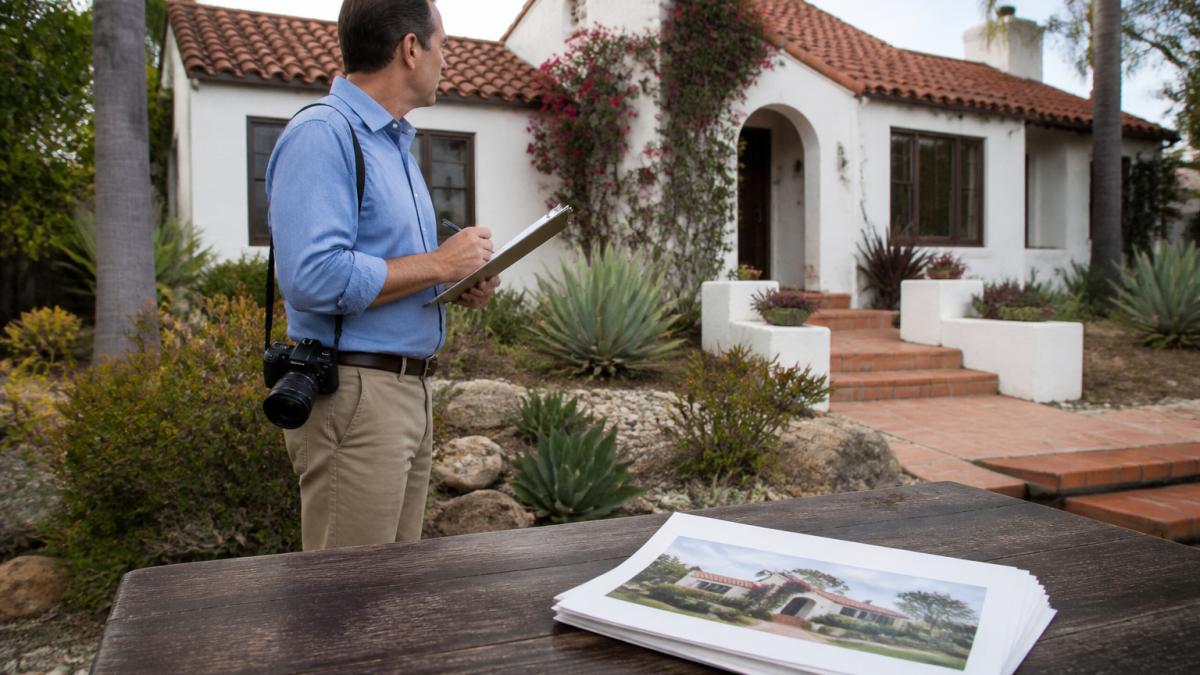
- Property identification and legal description
- The valuation method used and why
- Comparable sales or income data with sources
- Photos and notes on property condition
- The appraiser’s final opinion of value
Request a Probate Property Valuation for Your Los Angeles County Estate
I provide residential real estate services across Greater Los Angeles, with a specialized focus on the Burbank Rancho neighborhood. My background as a former attorney informs my advisory approach, and Mandarin-speaking services are available. If you’re weighing methods or ready to move, explore my trust and probate real estate guides for the full picture.
Frequently Asked Questions
What is the difference between probate value and market value?
Probate value is the fair market value of an estate asset as of the date of death, documented for the court and tax reporting. Market value is what a buyer would pay today if the property were listed. In a rising market, the eventual sale price can exceed the probate value, and that difference may need to be addressed in the estate accounting. Executors in Burbank, Glendale, and Pasadena should keep the date of death property valuation separate from any later listing price and document both.
What valuation methods can an executor use for a probate home?
Most executors rely on the sales comparison approach, which uses recent comparable sales for probate property in the same neighborhood. The cost approach fits newer or unusual buildings where replacement cost is easier to support. The income capitalization approach applies to rental income property. A professional appraiser selects the method that best reflects how buyers in that local market would price the home, then explains the reasoning in the probate property valuation report.
How long does a probate property valuation take?
A standard probate home appraisal usually takes a few business days after the inspection, though timelines vary with property complexity and appraiser availability. Unusual properties, large lots, or estates with multiple parcels can take longer. Build the appraisal into your probate timeline early, especially if the court or tax reporting deadlines are approaching. Ask the appraiser for an estimated delivery date in writing before you engage them.
What documents are needed to value a probate property?
Gather the deed, any trust documents, prior appraisals, property tax bills, insurance records, and a list of recent upgrades or repairs. Photos of the interior and exterior help, along with any inspection reports. For rental property, include leases and income statements. Providing these to the appraiser upfront reduces delays and strengthens the supporting evidence in the final probate property valuation report.
Every estate has a clock running, and valuation is where most of them lose time. I’d rather help you get it right the first time. Get started with me and request a probate property valuation built for your Los Angeles County estate.
