
Table of Contents
- Why Los Angeles Home Inspections Uncover So Many Deal Breakers
- Foundation Problems in Home Inspection: The Deal Breaker Buyers Fear Most
- Roof Issues Found During Home Inspection
- Plumbing, Electrical, and Water Damage Findings That Sink Deals
- Home Inspection Red Flags That Point to Hidden Defects
- Seller Repairs After Home Inspection: What Sellers in Burbank, Glendale, and Pasadena Typically Do
- How Buyers and Sellers Respond to Deal Breakers: A Severity Framework
- Conclusion: Making Confident Decisions After a Los Angeles Home Inspection
- Frequently Asked Questions
Last Updated: October 13, 2026
Why Los Angeles Home Inspections Uncover So Many Deal Breakers
Among the most common home inspection deal breakers is any finding serious enough to make a buyer renegotiate, delay, or walk away from a purchase. In Los Angeles County, those findings show up more often than buyers expect.
The reason is simple. Much of the housing stock here is old, built on slopes, and shaped by decades of sun, earthquakes, and patchwork repairs. An inspection in these neighborhoods rarely comes back clean.
Below, we break down the findings that most often threaten a deal. We also explain how buyers and sellers typically respond.
Hillside Movement, Seismic Retrofits, and Older Housing Stock
Hillside properties in the Hollywood Hills and La Canada sit on ground that can shift. Inspectors look for signs of movement, drainage problems, and past repairs that may not have addressed the cause.
Older homes add another layer. Many houses in Burbank, Glendale, and Pasadena were built before modern building standards. That means outdated wiring, original plumbing, and foundations that have settled over time.
Seismic retrofitting comes up often. A home without a retrofit may still be insurable and financeable, but buyers frequently ask for one. What most guides miss is that retrofit requirements vary by city and by property type, so the answer is never one-size-fits-all.
Ask the inspector to separate findings into three buckets: safety, major cost, and routine upkeep. This single step turns a scary report into a clear action list.
Foundation Problems in Home Inspection: The Deal Breaker Buyers Fear Most
Foundation problems in home inspection are the findings buyers fear most, and for good reason. Foundation repairs can be the largest single expense in a transaction, and the cause is not always obvious.
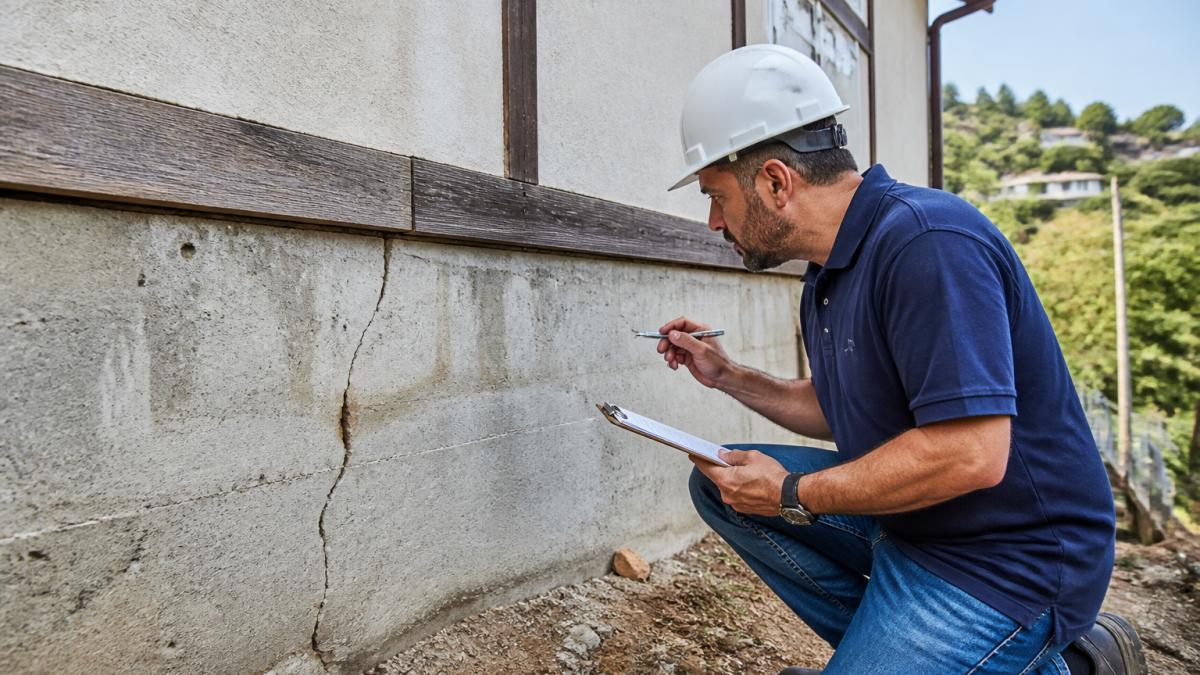
Not every crack is a crisis. Hairline cracks from normal settling are common in older homes. The findings that worry inspectors most include:
- Horizontal cracks in a foundation wall
- Doors and windows that no longer close evenly
- Sloping floors or uneven thresholds
- Cracks that widen over time
- Visible separation between the foundation and the frame
A foundation crack on its own does not kill a deal. What matters is whether the movement is active. Inspectors often recommend a specialist evaluation to answer that question.
That referral is where deals slow down. A structural engineer’s report takes time, and buyers get nervous while they wait.
Roof Issues Found During Home Inspection
Roof issues found during home inspection range from worn shingles to active leaks, and Los Angeles roofs take a beating. Intense sun, occasional heavy rain, and poor attic ventilation all shorten a roof’s life.
Inspectors check the roof surface, flashing, gutters, and attic underside. They look for:
- Missing, cracked, or curling shingles
- Water stains on attic rafters
- Rusted or loose flashing
- Sagging areas
- Signs of past patching
An active roof leak is a bigger problem than an old roof. An old roof is a known cost. A leak can mean hidden water damage inside walls, and that damage may not show up until after closing.
Many buyers treat a roof near the end of its life as a negotiation point rather than a walk-away issue.
Plumbing, Electrical, and Water Damage Findings That Sink Deals
Plumbing and electrical findings sink more deals than almost anything else, because both involve safety and both can hide expensive problems behind walls. In Los Angeles County, the specific failure modes track the age of the housing stock, so what an inspector flags in a 1928 Glendale bungalow is different from what shows up in a 1955 Pasadena ranch or a 1962 Sherman Oaks traditional.
Plumbing findings that recur locally
- Galvanized steel supply lines. Common in Burbank, Glendale, and Pasadena homes built before roughly 1960. These pipes corrode from the inside, which lowers water pressure and can eventually leak inside walls. Inspectors note the pipe material and check flow at multiple fixtures.
- Polybutylene supply lines. Used in some homes from the late 1970s into the mid-1990s. These gray or blue-gray plastic lines are prone to sudden failure at fittings, and many insurers treat them as a coverage concern.
- Cast iron drain lines. Standard in pre-1970 construction. Decades of use plus root intrusion from mature street trees, a real factor on tree-lined blocks in San Marino and La Canada, can crack or block the lateral line running from the house to the street.
- Water heater age and strapping. Inspectors check the manufacture date, the relief valve, and whether the unit is properly strapped and braced, which matters in a seismic zone.
Electrical findings that recur locally
- Zinsco and Federal Pacific Stab-Lok panels. These panel brands were installed in many mid-century homes and have a documented history of failing to trip under overload. Inspectors flag them by name, and many buyers treat a panel replacement as a condition of the deal.
- Two-prong ungrounded outlets. Common in older Burbank, Glendale, and Pasadena homes that were never rewired. A grounding adapter does not fix the underlying issue.
- Knob-and-tube wiring. Still present in some pre-1950 homes, sometimes buried under attic insulation, which is a fire concern.
- Unpermitted DIY work. Additions, converted garages, and added circuits that were never inspected are a recurring finding in hillside and older neighborhoods.
A plumbing leak or an electrical hazard is rarely just about the fixture. It is about what the problem has done to the rest of the house, and whether the fix requires opening walls, pulling a permit, or both.
Active Leaks, Moisture Intrusion, and Mold Concerns
Moisture is the thread that connects many deal breakers. Water damage and moisture intrusion can lead to mold, and mold raises health questions that buyers take seriously.
Inspectors look for the source of moisture first. A stain on a ceiling tells you water got in, but not why. The real question is whether the source is fixed or still active.
Mold concerns should be handled by a qualified mold assessor, not by guesswork. The priority is finding and stopping the source of moisture before any cleanup begins.
When the general inspector flags plumbing, electrical, or moisture, ask for the specific mechanism, pipe material, panel brand, moisture source, not just the symptom. That detail is what lets you price the fix and decide whether to request a repair, a credit, or a specialist evaluation.
Home Inspection Red Flags That Point to Hidden Defects
Home inspection red flags are the clues that suggest a bigger problem behind a small one. A hidden defect is a problem the seller may not have known about and the buyer cannot see.
Watch for these warning signs:
- Fresh paint in one small area of a ceiling or wall
- A musty smell in a basement, garage, or crawl space
- New caulk or sealant around a foundation crack
- A repaired area with no documentation
- Deferred maintenance across the whole property
One red flag is a question. Several together are a pattern.
Skipping a specialist inspection to save time can cost far more later. If the general inspector flags a system, order the follow-up before your contingency window closes.
Seller Repairs After Home Inspection: What Sellers in Burbank, Glendale, and Pasadena Typically Do
Seller repairs after home inspection usually fall into three choices: fix the issue, offer a credit, or decline and let the buyer decide. There is no single right answer.
The three levers buyers actually have
- Request for repair. The buyer asks the seller to complete specific work before closing. This is the most direct lever, but it depends on the seller’s willingness and timeline.
- Credit or price reduction. The buyer takes the property as-is and handles the work after closing, with money from the seller to offset the cost. Credits are often simpler than repairs because they avoid scheduling and contractor disputes.
- Cancellation right. If the inspection contingency is still active, the buyer can cancel and recover their deposit. Once the contingency is released, that right disappears.
How the contingency window shapes the negotiation
The inspection contingency is the clock. In a typical transaction, the buyer has a defined window to complete inspections, review seller disclosures, and deliver any requests.
What sellers in this area typically do
| Finding Type | Common Seller Response | Typical Buyer Reaction |
|---|---|---|
| Safety issue (gas, exposed wiring, structural) | Repair before closing or credit | Reassured, deal moves forward |
| Major system (roof, sewer lateral, panel) | Credit or price reduction | Reviews options with their agent |
| Routine upkeep | Decline or small credit | Usually accepts |
| Hidden defect (undisclosed) | Negotiate in good faith | Depends on severity and disclosure history |
A repair negotiation works best when both sides focus on the facts in the report. Emotion is the enemy of a clean close.
Disclosures and the paper trail
California sellers complete a Transfer Disclosure Statement and, for many properties, a Seller Property Questionnaire and a Natural Hazard Disclosure.
The strongest negotiations happen when the buyer asks for a specific fix or credit tied to a specific finding, delivered inside the contingency window, and supported by a specialist’s written opinion. Vague discounts invite vague responses.
How Buyers and Sellers Respond to Deal Breakers: A Severity Framework
Not every finding deserves the same response. We group inspection results into three tiers to keep decisions clear.
Tier 1: Safety issues. These need attention before closing. Examples include exposed wiring, gas leaks, and structural concerns.
Tier 2: Major-cost items. These are expensive but manageable. Roofs, foundations, and sewer lines fit here.
Tier 3: Routine maintenance. These are normal for any older home. They rarely derail a deal.
Here is how buyers typically respond:
- Review the full inspection report with their agent.
- Separate findings into the three tiers.
- Order specialist inspections for Tier 1 and Tier 2 items.
- Decide what to request: repair, credit, or price reduction.
- Renegotiate, proceed, or walk away.
The inspection contingency is what gives buyers this room. It is the window to act on findings. Once it closes, the buyer’s use drops sharply.
Ask your agent to request the seller’s disclosures before the inspection. Comparing disclosures to the report often reveals what the seller knew and when.
Conclusion: Making Confident Decisions After a Los Angeles Home Inspection
A scary inspection report is not the same as a bad house. Most findings are fixable, and most deals survive once both sides understand the severity.
What matters is having someone who can read the report calmly, separate real risks from noise, and negotiate with a clear head. Will Flannigan Real Estate brings a former attorney’s eye to every transaction, deep knowledge of Burbank, Glendale, Pasadena, San Marino, and Hollywood Hills, and a fiduciary mindset that puts your interests first.
Get started with Will Flannigan Real Estate and move through your inspection with confidence.
Frequently Asked Questions
Do sellers usually fix everything found during a home inspection?
No. Sellers typically address safety hazards and items that block financing or insurance, like active roof leaks or electrical hazards. Routine maintenance items such as worn caulk or a loose railing are often left for the buyer. In Los Angeles, where many homes are older, sellers and buyers often negotiate a seller credit instead of completing repairs. The outcome depends on the inspection contingency terms and how motivated each side is to close.
Are foundation problems a deal breaker when buying a home?
Not always. A foundation crack from normal settling may need only monitoring or minor patching, while significant foundation movement on a hillside property can be a major defect that triggers further evaluation by a structural engineer. Buyers should request a specialist inspection before deciding. In Los Angeles, seismic retrofits and hillside movement are common concerns, so the severity of the finding and the cost to repair usually determine whether the deal proceeds.
Can a buyer back out after a home inspection in California?
Yes, if the purchase agreement includes an inspection contingency and the buyer acts within the specified timeline. California residential purchase agreements typically give the buyer a set number of days to complete inspections and either approve, request repairs, or cancel. If the buyer cancels within that window, the earnest money is usually returned. Missing the deadline can weaken the buyer’s position, so tracking dates is critical.
Which home inspection issues can derail a home sale?
The findings most likely to derail a sale are safety hazards, active water intrusion, major structural problems, and issues that affect insurability or financing. These include foundation movement, active roof leaks, outdated electrical wiring, and mold with an unidentified moisture source. In Los Angeles, hillside properties with drainage problems or homes needing seismic retrofits often face extra scrutiny. Buyers may walk away or renegotiate when repair costs are high or uncertain.