
Last Updated: November 5, 2026
Quick Summary
Probate property repairs should follow a written plan that confirms your authority to spend estate funds, secures the vacant home, and limits fixes to essential safety and sale-blocking items. Get two written bids for major work, approve spending in writing, and compare each repair’s cost against its likely sale-price impact before deciding whether to repair or sell as-is.
- Confirm in writing which powers and spending limits apply before signing any repair contract.
- Get at least two written bids from licensed contractors for any major job.
- Pay contractors in stages tied to completed milestones, not the full amount up front.
- Fix safety and essential items first; limit cosmetic work to what clearly pays back at sale.
- Check that the home’s insurance still covers a vacant property.
Table of Contents
- Why Probate Property Repairs Need a Plan Before Listing
- Step 1: Confirm Your Authority to Make Repairs
- Step 2: Secure, Insure, and Maintain the Vacant Home
- Step 3: Decide Which Repairs to Make Before Listing
- Step 4: Choose Between an As-Is Sale and Repairs
- Step 5: Build a Probate Home Sale Preparation Checklist
- Keeping Your Burbank-Area Probate Sale on Schedule
- Frequently Asked Questions
Why Probate Property Repairs Need a Plan Before Listing
Selling a probate home in Southern California is different from selling a typical house, and a clear probate property repairs plan can make the difference.
A repair plan answers a simple question before anything gets fixed: what must be done, and what can wait?
- Confirm who can approve spending on the property
- Set a repair budget tied to the estate’s funds
- Decide how long the home can stay vacant
Without a plan, repairs often start late and cost more than they should. A plan keeps each decision tied to a reason.
Step 1: Confirm Your Authority to Make Repairs
Before you hire anyone, confirm that you have the legal authority to spend estate money on the home. The rules depend on how the estate is being administered and what the court has approved. An executor should check with the probate attorney handling the matter before signing any contract, and should put the answer in writing.
Verify Your Authority in Writing
Authority in California probate generally comes from the will, a court order, or the statutory powers granted to an executor under independent administration. Ask your attorney to confirm, in a short written memo or email, which of these applies and what spending limits come with it.
Here is what to check:
- Whether the estate is under court supervision or independent administration
- Whether the will or court order grants power to sell and repair
- Whether repair contracts above a set amount need court approval
The California Courts self-help guide on probate explains the basic court process for estates in California. Read the sections on administration and court approval before you move forward.
A Step-by-Step Approval and Documentation Workflow
A repeatable workflow keeps the estate out of disputes and gives the court a clean record. A common pattern among experienced executors looks like this:
- Scope the work in writing. Describe the repair, the property address, and why it is necessary, for example, ‘replace failed water heater at the Glendale property to restore hot water and prevent further damage.’
- Get at least two written bids. Each bid should list labor, materials, permits, and a completion date. Save every bid, including the ones you reject.
- Check the approval threshold. If the contract exceeds the amount your attorney identified as requiring court or beneficiary approval, seek that approval before signing. Put the request and the response in writing.
- Sign only after approval. Keep the signed contract, the contractor’s license number, and proof of insurance in the estate file.
- Pay in stages tied to milestones. Never pay the full contract up front. Tie each payment to a completed phase and get a lien waiver from the contractor and any subcontractors at each stage.
- Record the decision. Write a one-paragraph memo noting the repair, the bids received, the approval obtained, and the reason for the choice. This is the document that protects the executor if a beneficiary later questions the spending.
When Court or Beneficiary Approval Is Required
Under court-supervised administration, major repairs and sales often require a petition and a hearing. Under independent administration, the executor may have broader power, but the will or the court order can still impose limits.
Watch out: Paying for repairs from your own pocket without written approval can create reimbursement problems later, and it can blur the line between estate funds and personal funds in the accounting.
Keep the Estate File Audit-Ready
Assume the court, the beneficiaries, or a successor executor will review every dollar. Keep bids, approvals, contracts, invoices, lien waivers, and payment records in one labeled file, organized by property and date. A clean file shortens the final accounting and reduces the chance of a dispute over repair spending.
Step 2: Secure, Insure, and Maintain the Vacant Home
A probate home is often empty for months. For a practical walkthrough of securing the property and meeting court requirements, see preparing a probate home for sale.
Start with these basics:
- Change the locks and keep a list of who has keys
- Confirm the homeowner’s policy still covers a vacant property
- Shut off water or keep heat on to prevent freeze and pipe damage
Insurance deserves special attention. Many standard policies limit coverage after a home has been vacant for a set period. The executor responsibilities for maintaining vacant property article covers upkeep, insurance, and vacancy in detail.
Step 3: Decide Which Repairs to Make Before Listing
Not every flaw needs to be fixed before a sale. To identify which safety and essential issues matter, read how to inspect a probate property.
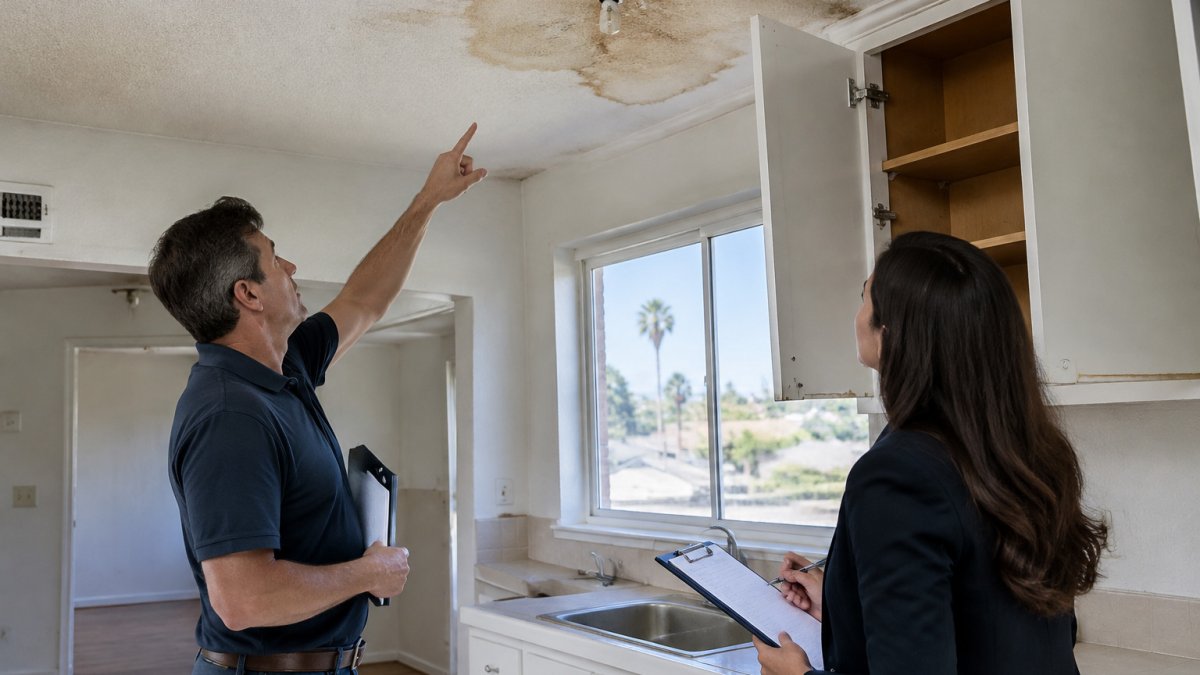
Start by listing every visible problem. Then sort them into two groups: repairs that affect safety or the home’s basic function, and repairs that only affect appearance. From there, run each item through a simple four-part test before you spend a dollar of estate money.
A Repair Decision Framework for Executors
For each repair on your list, write down four numbers or estimates side by side:
- Repair cost, the lower of two written bids from licensed contractors, including permits and contingency.
- Likely sale-price impact, the agent’s estimate of what the home would bring with the repair versus without it, based on recent comparable sales in the same neighborhood.
- Carrying cost during the work, property taxes, insurance, utilities, and any loan interest that accrue while the job is underway. Property tax installments are typically due twice a year, so a repair that pushes the sale past a tax date adds real cost.
- Time to sell, how many additional weeks the repair adds before listing and closing, and whether that pushes the estate past a court date or beneficiary deadline.
A repair is worth doing when the likely sale-price impact clearly exceeds the repair cost plus carrying cost, and the added time fits the estate’s timeline. If the numbers are close, the repair usually is not worth it, buyers discount uncertainty, but they also discount work they have to manage themselves.
Safety and Essential Repairs First
Safety and essential repairs come first. These are the items a buyer’s inspector will flag and a lender may require fixed before funding a loan. Older housing stock frequently turns up the same short list:
- Active roof leaks or missing shingles
- Electrical hazards, such as exposed wiring, failing panels, or ungrounded outlets
- Plumbing leaks, water heater problems, or sewer line issues
Get at least two written bids from licensed contractors for any major job. Compare the scope of work line by line, not just the bottom line, a low bid that excludes permits, haul-away, or drywall repair is not a lower bid.
Watch out: A contractor who asks for a large deposit up front or who is not licensed with the Contractors State License Board is a red flag; verify the license number before any work begins.
A Cost Threshold for Cosmetic Work
Cosmetic work is where estates lose the most money. Fresh paint, new carpet, and updated fixtures can make a home show better, but they rarely return their full cost at sale.
Buyers often expect a certain level of finish, so a light refresh (paint, deep cleaning, landscaping cleanup) can pay for itself by widening the buyer pool. Heavy cosmetic spending often gets discounted at resale when buyers plan to remodel anyway.
- Compare the repair cost with the likely sale price increase
- Favor low-cost fixes like cleaning, decluttering, and minor patching
- Avoid full remodels unless the market data supports them
When to Stop Repairing and Sell As-Is
Sometimes the framework points to as-is. Weigh the trade-offs in the pros and cons of selling probate property as-is before deciding. If the essential repairs would consume most of the estate’s liquid cash, if the timeline is tight, or if the home is in a neighborhood where buyers routinely purchase for lot value and rebuild, the math favors selling as-is with full disclosure.
Step 4: Choose Between an As-Is Sale and Repairs
Once you know the essential repairs, decide whether to fix the home or sell it as-is. Both paths can work.
A repaired sale generally attracts more buyers and may bring a higher price. It also takes longer and requires more money up front.
Compare the two options side by side:
| Factor | Repair Before Sale | Sell As-Is |
|---|---|---|
| Upfront cost | Higher | Lower |
| Time to close | Longer | Shorter |
| Buyer pool | Broader | Narrower |
| Price risk | Lower | Higher |
| Carrying costs | Higher during work | Lower |
Estates with limited cash often choose the as-is route. Estates that can afford essential repairs and have time to wait often get better results from a repair-and-list plan.
Step 5: Build a Probate Home Sale Preparation Checklist
A written checklist keeps the sale organized and gives the court and beneficiaries a clear record. For the broader sequence of executor duties and court processes this checklist fits into, see Managing Probate Real Estate Timelines. Build it before the first contractor arrives, and update it as each item is completed.
Include these items:
- Court approval or authority confirmed in writing
- Insurance updated for vacancy
- Locks changed and keys logged
Keep every receipt and invoice. The court or beneficiaries may ask for them later, and clear records protect the executor.
Keeping Your Burbank-Area Probate Sale on Schedule
Probate sales move on court timelines, not just market timelines. Plan the repair schedule so each job finishes before the listing date, with a buffer for delays. Permit approvals and contractor availability can slow the work more than expected.
Communication matters as much as the work itself. Keep beneficiaries updated on costs, decisions, and progress. When disagreements come up, return to the written plan and the court’s requirements.
If you want guidance on pricing the home or planning the sale, I can help you review your options. Start with a California Department of Real Estate consumer resources check to confirm license details for any agent you hire.
Frequently Asked Questions
Can you sell property when it’s in probate?
Yes, in many cases a probate property can be sold, but the sale usually needs the authority of the court or the personal representative under California law. Whether the estate is handled through independent administration or court supervision affects how much approval is needed before a listing goes live. Confirm your authority first, because a buyer’s title company will ask for the letters of authority before closing. Clear documentation at the start prevents delays later in the sale.
Can an executor make repairs to a probate house before selling?
An executor can usually authorize repairs, but the scope should match the estate’s duties and budget. Safety and essential repairs, such as a leaking roof, a failing water heater, or exposed wiring, are the easiest to justify. Keep written contractor bids, record each payment from estate funds, and save receipts. Cosmetic updates should be weighed against the expected sale price and carrying costs before any work begins.
Can you sell a probate house as-is?
Yes. Many probate properties sell as-is, especially when the estate has limited funds or the home needs significant work. An as-is sale still requires disclosure of known defects under California rules, so the executor should document what they know about the property. Pricing the home realistically for its condition helps attract serious buyers and can shorten the timeline.
What should be fixed before listing a probate property?
Start with anything that affects safety, habitability, or the buyer’s inspection, such as roof leaks, electrical hazards, plumbing failures, and pest or water damage. Address items that a buyer’s inspector is likely to flag, and secure the property against weather and vandalism. Cosmetic work like paint or flooring can be added if the expected return justifies the cost. Keep records of every repair for the estate accounting.
